High Peak Wharf, Cromford


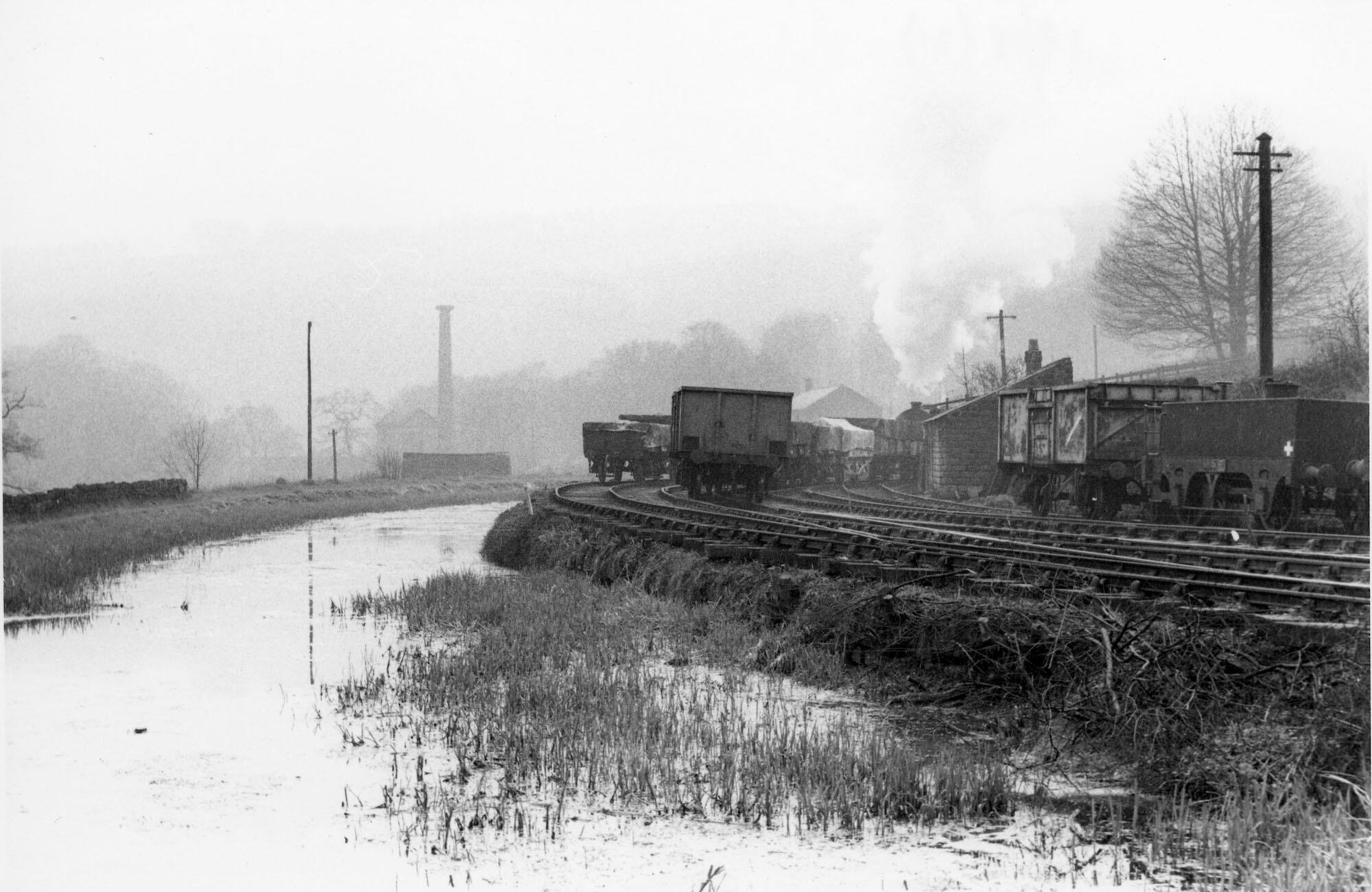
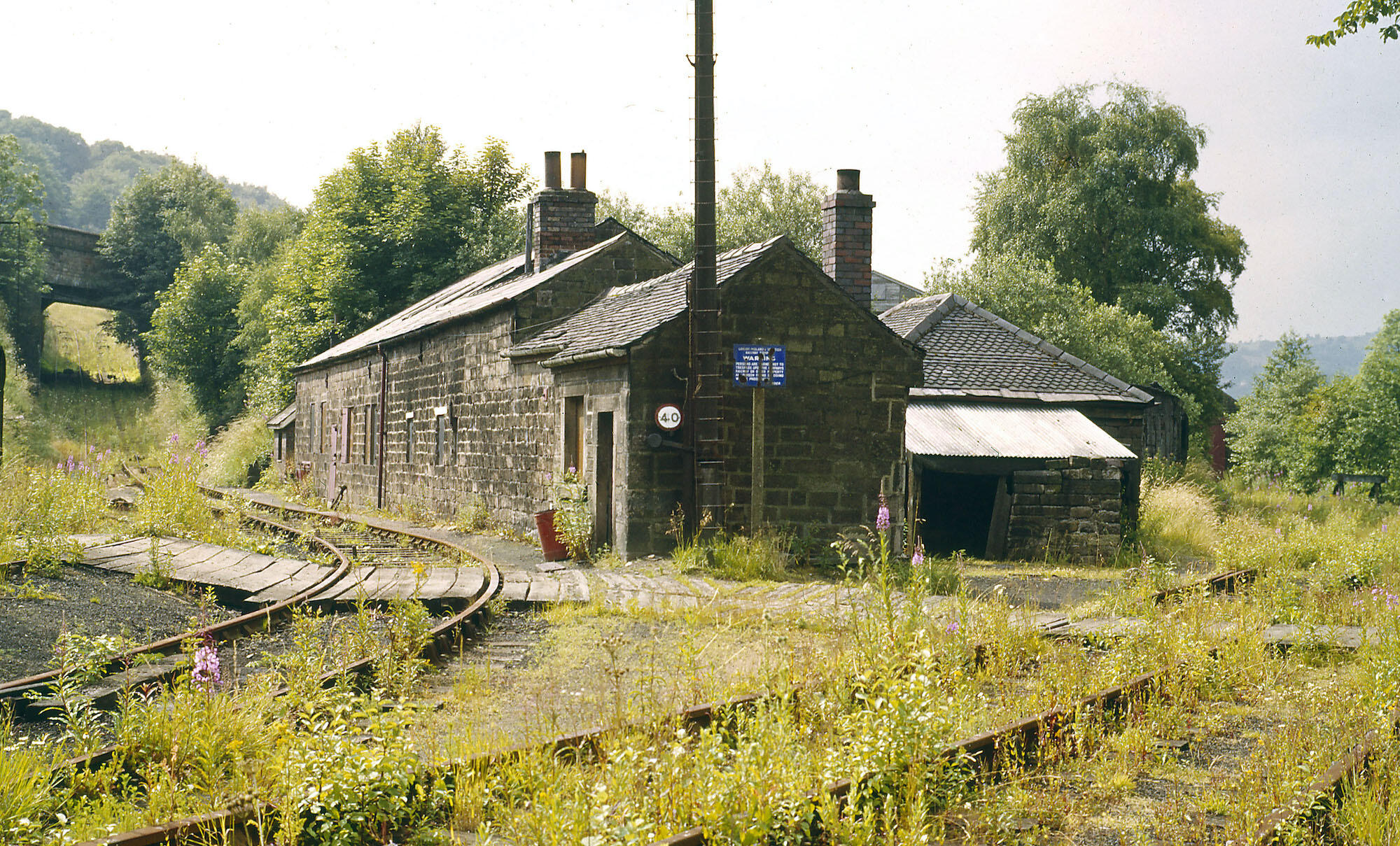
At the Cromford end of the Cromford and High Peak Railway was the interchange with the Cromford Canal. A number of historic buildings survive.
Region:
Red Wheel Site:
Transport Mode(s):
Address:
Middleton Top Visitor Centre, Middleton by Wirksworth, DE4 4LS.
Postcode:
Visitor Centre:
Opening Times:
Daily 10-5 in summer; 1030-4 weekends only in winter
Website:
Visit websiteThe Peak District of Derbyshire has always posed problems for travel, but from 1800 when the Peak Forest Canal was built at the northern end, an alternative to the long route through the Trent and Mersey Canal was sought, not only for minerals, finished goods and grain to Manchester, but raw cotton for the East Midlands textile industry. The problem was not only carrying a canal over a height of around 300m (1,000ft), but supplying it with water on the dry limestone uplands.
Finally Josias Jessop, the son of William Jessop was asked to survey the route. He, his father and their former partner Benjamin Outram had gained wide experience in building tramroads where conditions were unsuitable for canals, and that is what he suggested. Even so, as almost the first long distance line at 53km (33 miles), and climbing to some 300m it was destined to be one of the highest lines ever built in Britain. In 1825 the Act of Parliament was obtained for a "railway or tramroad" to be propelled by "stationary or locomotive steam engines,"
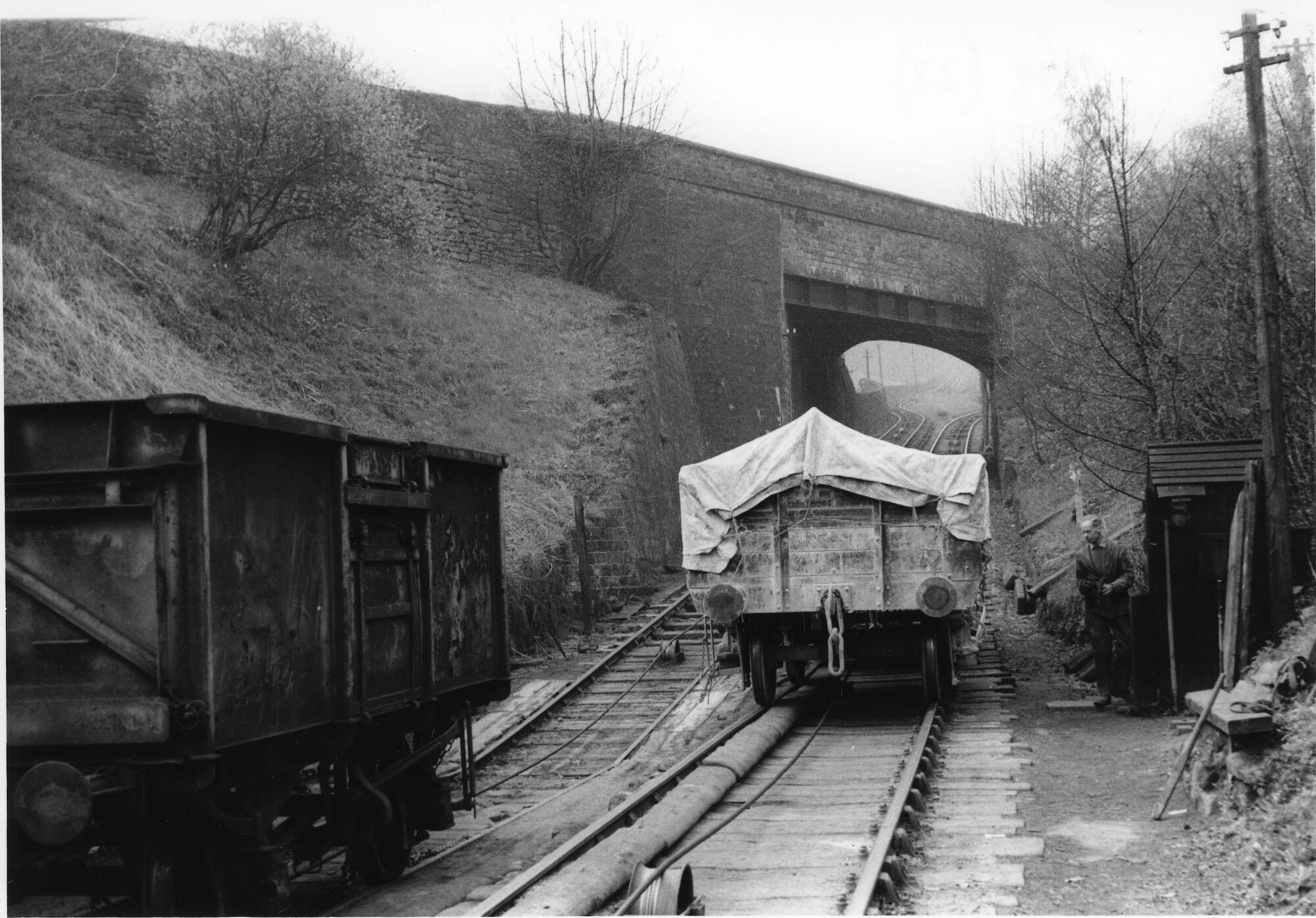
The first part of the line from Cromford Wharf, by the Cromford Canal, to Hurdlow opened in 1830. From the canal it climbed over 330 m in 8 km, through four inclines ranging from 1 in 14 to 1 in 8 - Cromford, Sheep Pasture, Middleton and Hopton. The line then proceeded up the relatively gentle Hurdlow incline at 1 in 16 . The second half from Hurdlow to Whaley Bridge opened in 1832 descending through four more inclines, the steepest being 1 in 7. The highest part of the line was at Ladmanlow, a height of 386 m.(1,266 ft.).
The railway was laid using so-called "fishbelly" rails supported on stone blocks, as was common in those days, rather than timber sleepers, since it would be powered by horses on the flat sections. On the nine inclined planes, stationary steam engines would be used, apart from the last incline into Whaley Bridge, which was counterbalanced and worked by a horse-gin. (see Whaley Bridge entry). The engines, rails and other ironwork were provided by the Butterley Company. It would take around two days to complete the whole journey. It was laid to the Stephenson or standard gauge of 1420 mm. (4ft 8½ in.), rather than Outram's usual 1271 mm. (4 ft 2 in).
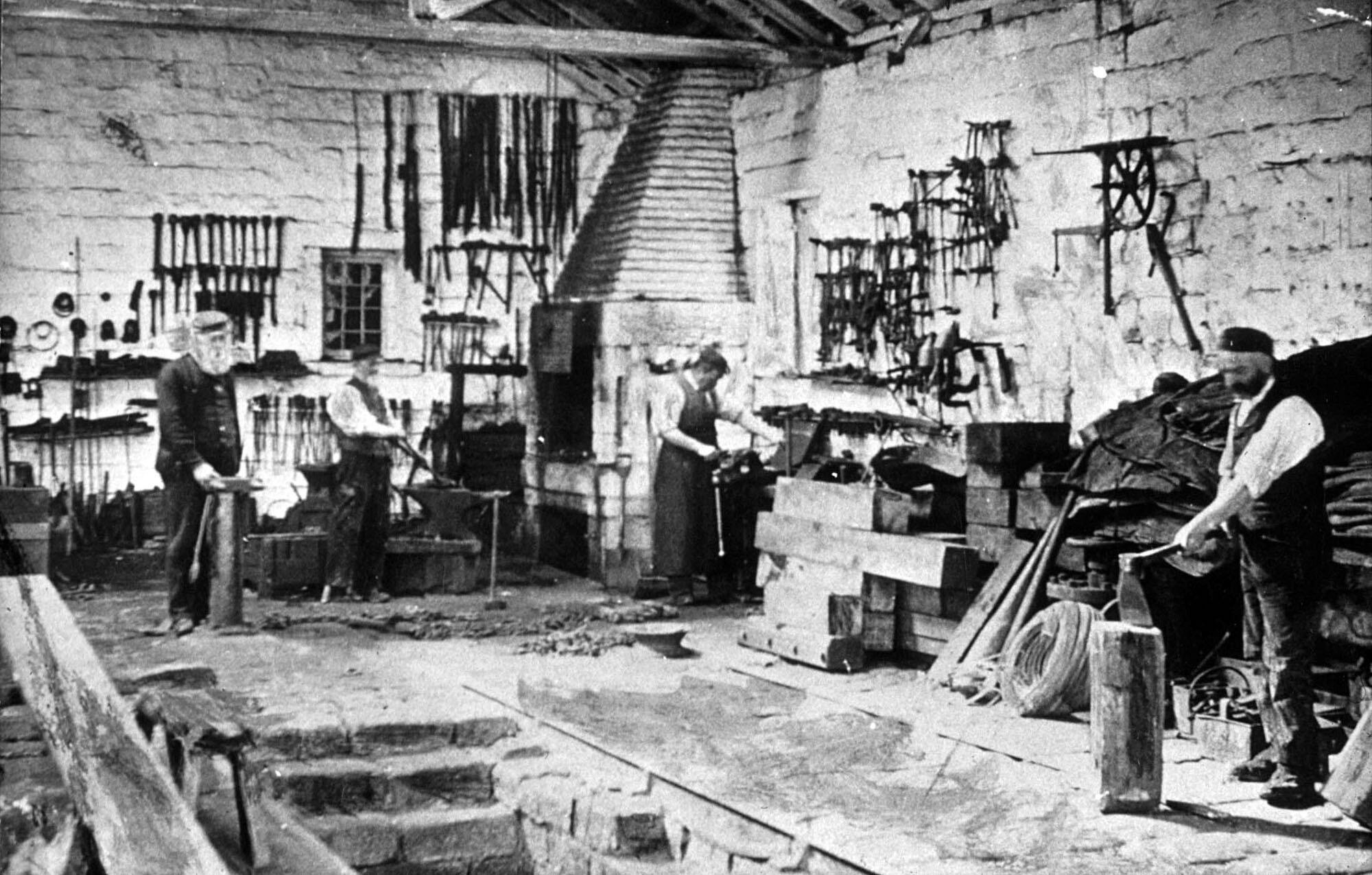
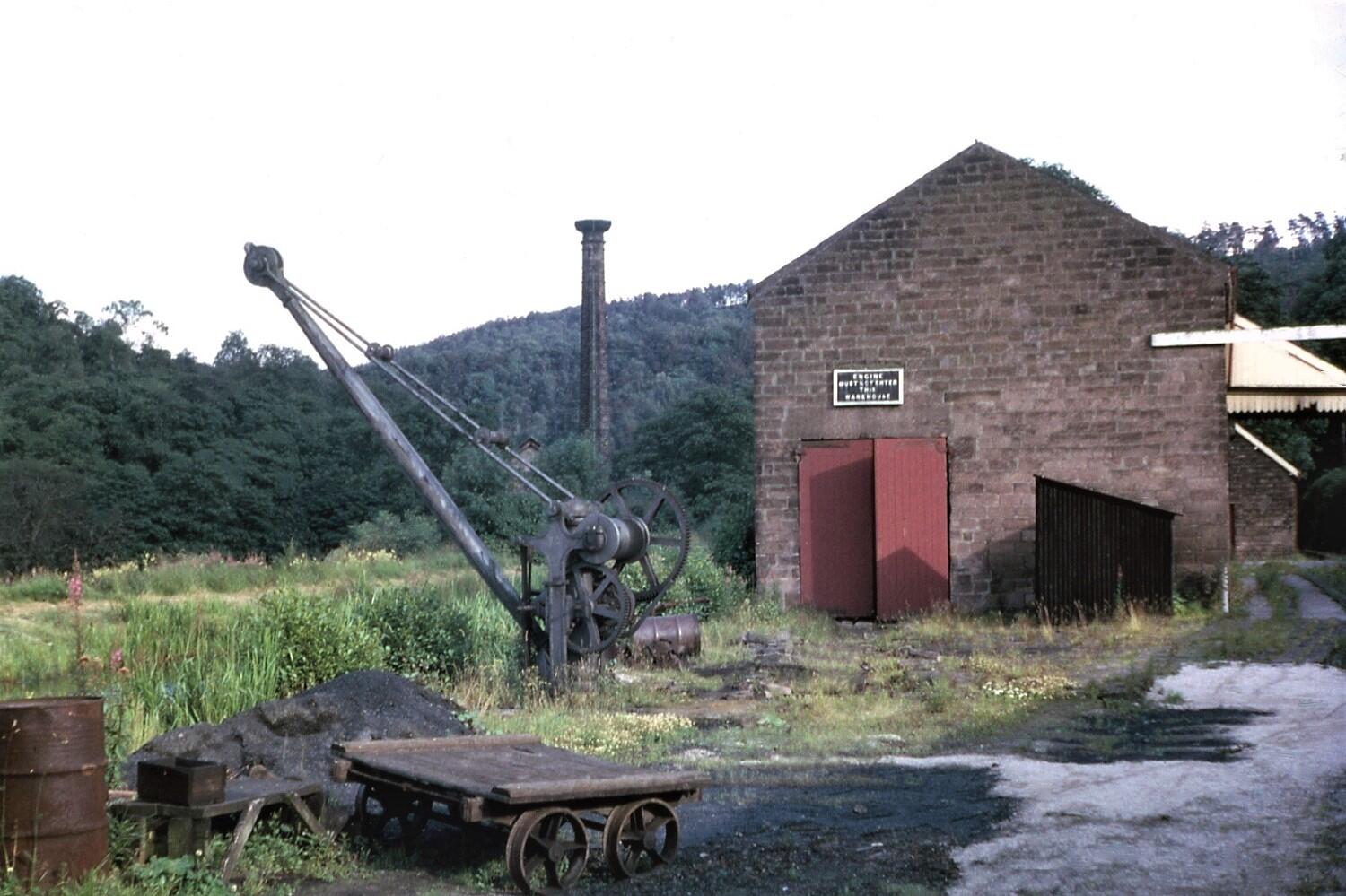
At the Cromford end were the interchange facilities with the Cromford Canal, known today as High Peak Junction. Some of these have survived. On High Peak Wharf are the railway workshops, claimed to be the oldest in the world and a scheduled Ancient Monument, and the original terminus at Wharf Shed and an office building. The CHPR was later extended to join the Midland Railway at the original High Peak Junction, a mile to the south.


By car: High Peak Junction car park on Lea Road, DE4 5AE (NB No car access from A6).
By bus: TransPeak service from Derby/Buxton. Alight at Highpeak Junction.
Direct navigation links:
what3words address: ///reflector.ownership.schematic
Biddle, Gordon, Britain's Historic Railway Buildings, Oxford University Press, ISBN-10: 0198662475 (2003)
Biddle, Gordon & Nock, O.S., The Railway Heritage of Britain : 150 years of railway architecture and engineering, Studio Editions, ISBN-10: 1851705953 (1990)
Biddle, Gordon and Simmons, J., The Oxford Companion to British Railway History, Oxford, ISBN 0 19 211697 5 (1997)
Bonavia, Michael, Historic Railway Sites in Britain, Hale, ISBN 0 7090 3156 4 (1987)
Christiansen, R. A Regional History of the Railways of Britain, West Midlands. ISBN 0 946 537 58 5 (1991)
Leleux, J. A Regional History of the Railways of Britain, East Midlands. ISBN 0 7153 7165 7 (1976)
Morgan, Bryan, Railways: Civil Engineering, Arrow, ISBN 0 09 908180 6 (1973)
Morgan, Bryan, Railway Relics, Ian Allan, ISBN 0 7110 0092 1 (1969)
Marshall, J., The Cromford & High Peak Railway, David & Charles, ISBN-10 0715381288 (1982)
Rimmer, A., The Cromford & High Peak Railway, Oakwood, ASIN BoooZP19M8 (1978)
Simmons, J., The Railways of Britain, Macmillan, ISBN 0 333 40766 0 (1961-86)
Simmons, J., The Victorian Railway, Thames & Hudson, ISBN 0 500 25110X (1991)
Smith, Martin, British Railway Bridges and Viaducts, Ian Allan, ISBN 0 7110 2273 9 (1994)
Turnock, David, An Historical Geography of Railways, Ashgate, ISBN 1 85928 450 7 (1998)