Montrose Air Station

oldest military air station in Scotland and one of the first in UK - major training centre for Allied pilots in First and Second World Wars - now a museum.
Region:
Red Wheel Site:
Transport Mode(s):
Address:
Montrose Air Station Heritage Centre
Waldron Road,
Montrose
DD10 9BD
Postcode:
Visitor Centre:
Website:
Visit websiteMontrose (Broomfield) is the oldest military air station in Scotland and was one of the first to be estab-lished in the United Kingdom. As a major training centre for British, Commonwealth and American pilots during both the First and Second World Wars, the site is of great historical importance. Further historical significance can be attributed for its associations with Major Burke and No.2 Squadron of the Royal Fly-ing Corps, who were based at Montrose prior to the First World War and played a key role in developing the use of aircraft for military purposes during the conflict.
Unusually for an early air station Montrose (Broomfield) remains relatively unaltered, which is extremely rare in a European context. The site is an extremely important surviving group of military airfield buildings and displays the hangar architecture of several different periods, which spans the history of aviation for military purposes. Exceptionally rare, these hangars are of international importance as they date from the formative phase in the development of military aviation.
In 1912, the British government planned the construction of twelve Air Stations to protect the country from the growing threat of the German naval fleet in the North Sea. These were to be operated by the Royal Flying Corps (RFC) which had been established in April that year (http://rafmontrose.org.uk/). Under the instructions of Winston Churchill, Montrose (Broomfield) was the first of these military air stations to be established. Ideally located, its early purpose was to protect the Royal Navy bases at Rosyth, Cromarty and Scapa Flow.
The initial site of the air station (or aerodrome) was at Upper Dysart, approximately 3 miles to the south of Montrose. However, this was deemed unsuitable and the current site at Broomfield, 1 mile north of Mont-rose, was selected, as the site's location next to a railway line allowed transportation of goods into the air station. The three aircraft sheds were constructed by Army Engineers in December 1913, replacing the temporary canvas and timber structures at Upper Dysart (http://rafmontrose.org.uk). No.2 Squadron of the Royal Flying Corps (RFC) was relocated to the permanent base at Broomfield, Montrose in early 1914.
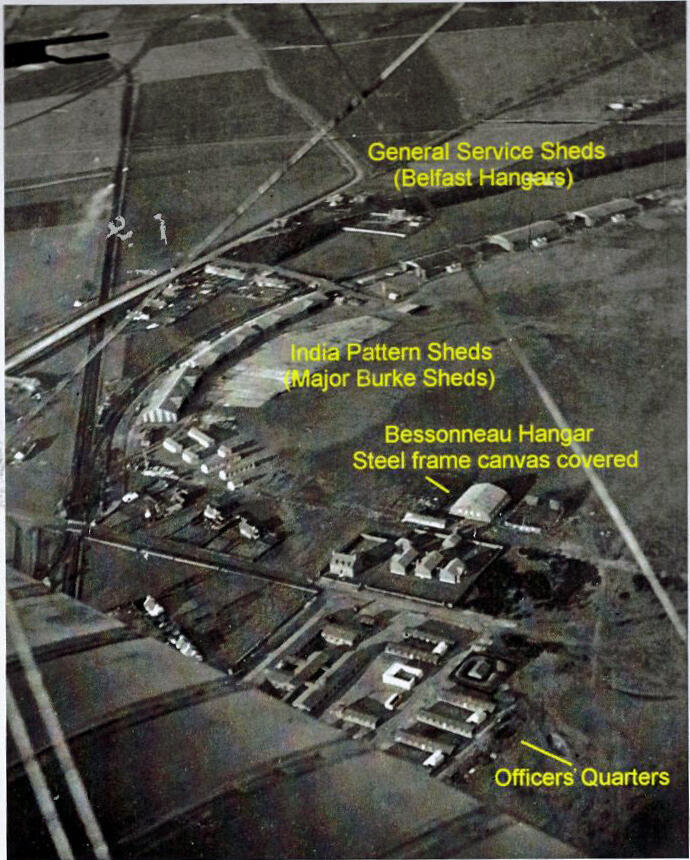
No.2 Squadron left for France following the outbreak of the First World War in July 1914 and by 1915 the aerodrome had become largely vacant. However, as the aerodromes in the south of England were be-coming increasingly crowded, it was decided to disperse pilot training across Great Britain and Montrose was selected as one of these training centres. Until 1916, Montrose was the only RFC aerodrome in Scotland and it expanded rapidly during the First World War, becoming a major training cen-tre for pilots, including United States, Canadian and British squadrons. Unusually for an air station, the plane workshops were located 2 miles away at Panmure Barracks, and the majority of the personnel were also housed there. Three further timber hangars, which had Belfast Roof Trusses, were built in 1916-17, to the north of 'Major Burke's Sheds'. These are also shown on the 1918 plan of the site but two of them were destroyed in October 1940 during a Second World War bombing raid.
Following the end of the First World War in 1918, the Air Station closed in 1920 and all of its aircraft, equipment and stores were sent to the recently opened Leuchars aerodrome. The site was returned to the Army and in 1924 the sheds were used for the maintenance and refurbishment of Lewis machine guns.
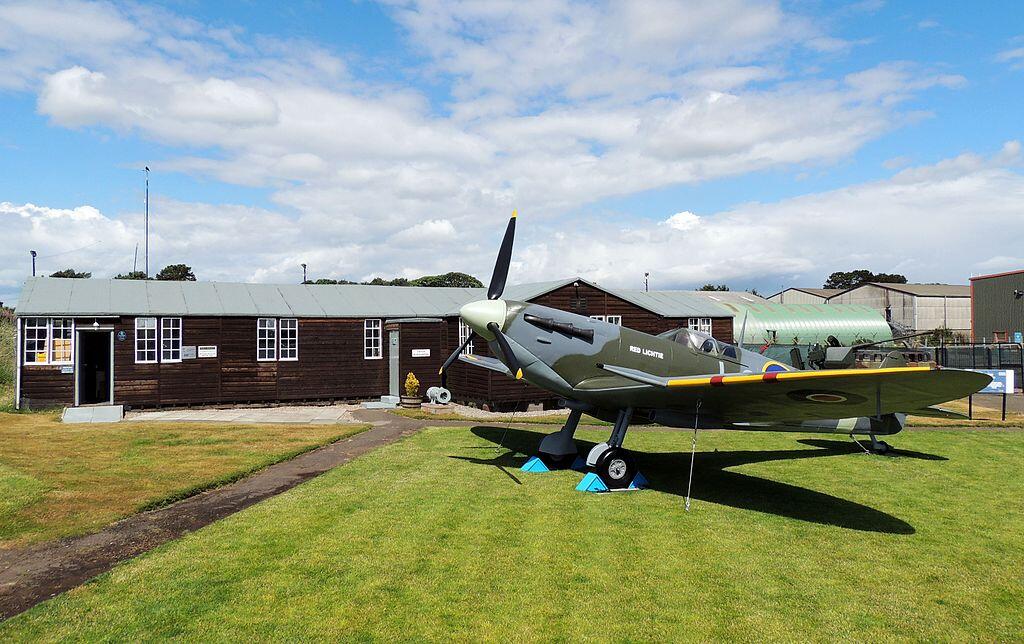
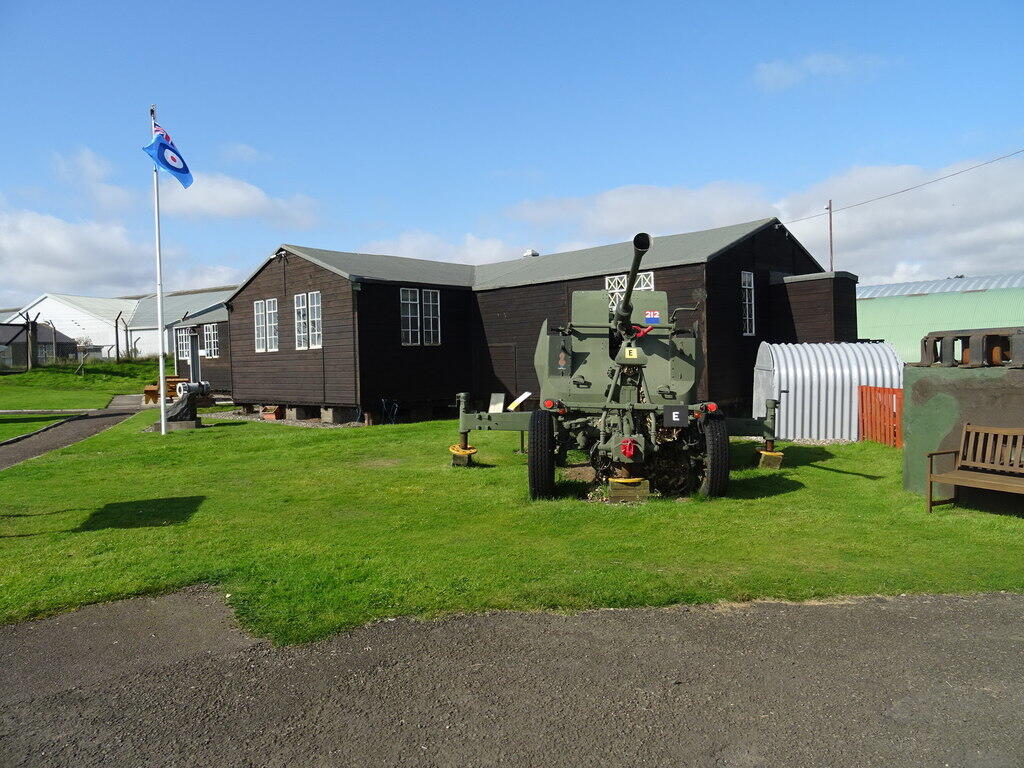
Due to the growing threat from Germany, it was decided to expand the Royal Air Force (RAF) in 1935 and a key requirement was for more trained military pilots (http://rafmontrose.org.uk). Largely unchanged from the First World War, Montrose was reopened in January 1936 and became a flying training school for Royal Air Force, Canadian Royal Air Force and United States Army Air Service squadrons. Between reopening and the end of the Battle of Britain in 1940, it is estimated that over 800 pilots trained at Mont-rose. The station continued to operate throughout the Second World War and additional buildings, facilities and defence measures were erected across the site, including the addition of Bellman hangars between 1937 and 1942, as well as a large number of blister hangars around the perimeter. By this time the design of hangars had been simplified and standardised, resulting in a range of factory-produced hangars which were steel-framed and sheet-clad.
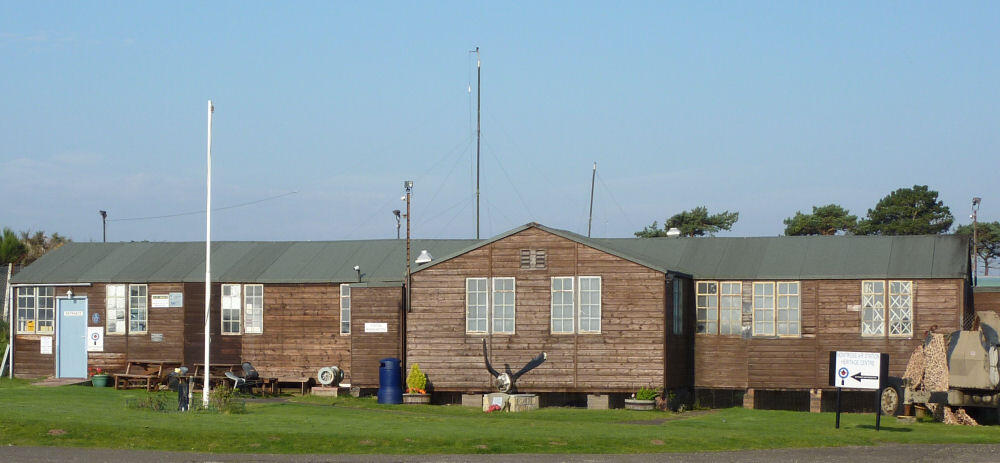
The RAF vacated the site after the Second World War and the airfield was used only occasionally by light aircraft and for some training purposes. It was officially closed on 4 June 1952. In the late 20th century the site was converted into an industrial centre.
Although it was subject to alterations and expansion, particularly during the Second World War, Montrose (Broomfield) did not experience the substantial redevelopment and demolition that occurred at many other early air stations. It therefore remains relatively intact, displaying the hangar architecture of several different periods, from the late 1913 sheds, to the Bellman hangars of the late-1930s and early 1940s. This degree of retention is of great rarity in a European context.
Dating from 1913, the three hangars which are known as 'Major Burke's sheds', were the first to be built as part of Montrose Air Station. They are among the earliest surviving examples of first-generation aircraft hangars in the United Kingdom. Other early examples of aircraft hangars that pre-date the First World War do survive in England but Montrose is the only example in Scotland.
Source: Wikipedia
Photos: Kevan Dickin, CC BY-SA 4.0 <https://creativecommons.org/licenses/by-sa/4.0>, via Wikimedia Commons; John M.; Kevan Dickin, CC BY-SA 3.0 <https://creativecommons.org/licenses/by-sa/3.0>, via Wikimedia Commons
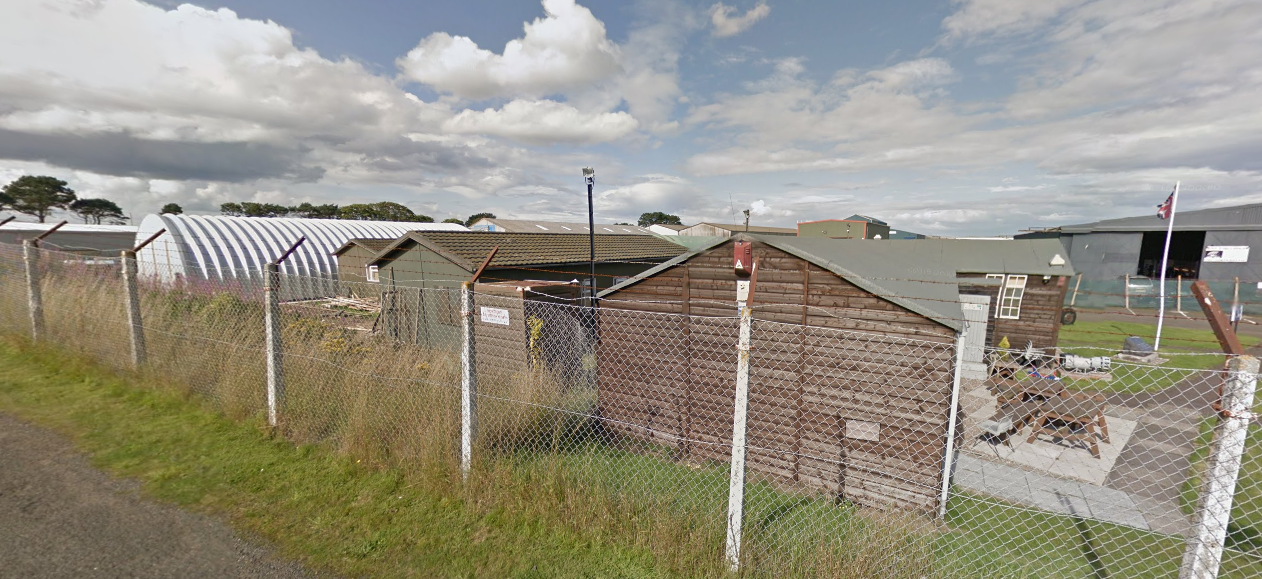
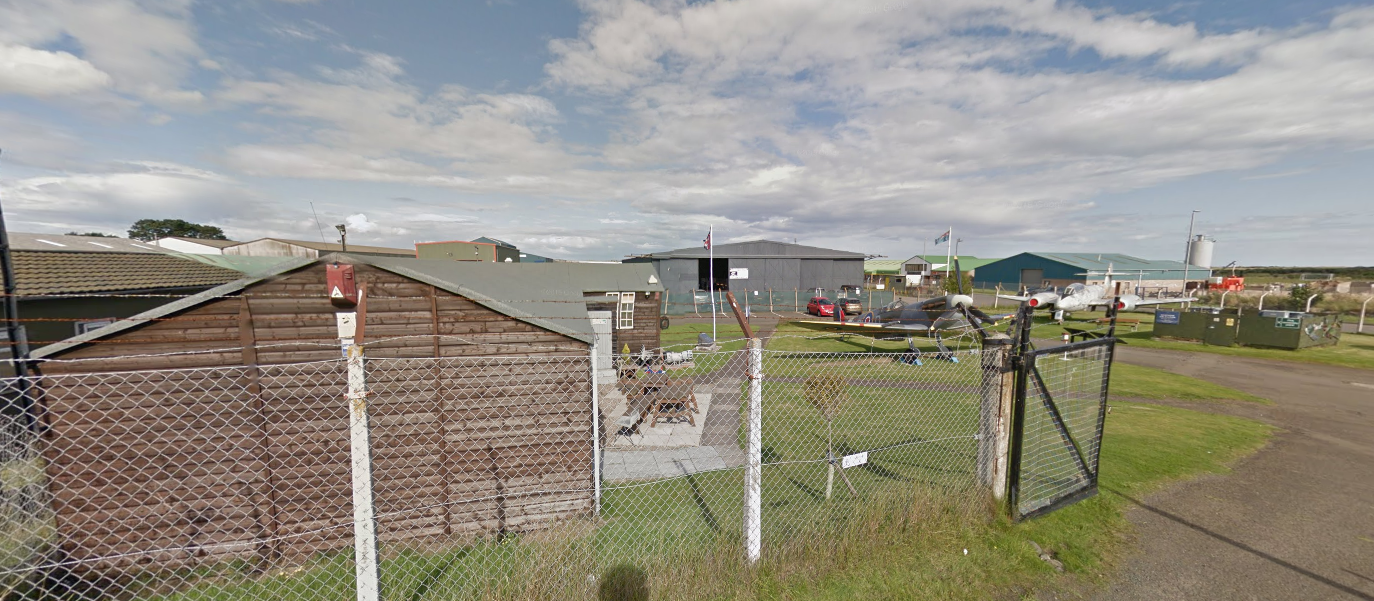
Waldron Road runs east from the A937 North Esk Road, north of the town centre
Barclay, G. (2014) The Built Heritage of the First World War in Scotland, Edinburgh: Historic Scotland and RCAHMS, pp.7-11
Brown, I. Burridge, D. Clarke, D. Guy, J. Hellis, J. Lowry, B. Ruckley, N. and Thomas, R. (1995) 20th Century Defences in Britain, An Introductory Guide; Handbook of The Defence of Britain Project, York: Council for British Archaeology, p.104.
Fife, M. (2007) Scottish Aerodromes of the First World War, Stroud: Tempus Publishing Limited, p. 7, 10, 18, 21, 97, 112-114, 117, 119, 121, 177, 178, 180, 183, 221.
Francis, P. (1996) British Military Airfield Architecture – From Airships to the Jet Age, Somerset: Patrick Stephens Limited, pp.9-15, 81-110.
Smith, D. (1983) Action Stations: 7. Military airfields of Scotland, the North-East and Northern Ireland, Cambridge: Patrick Stephens Limited, pp.152-156.
Cullen,G (2021) Aeroplane Depots, North British Rail Study Group Journal (download)