Talbot Motor Works, Ladbroke Hall, London

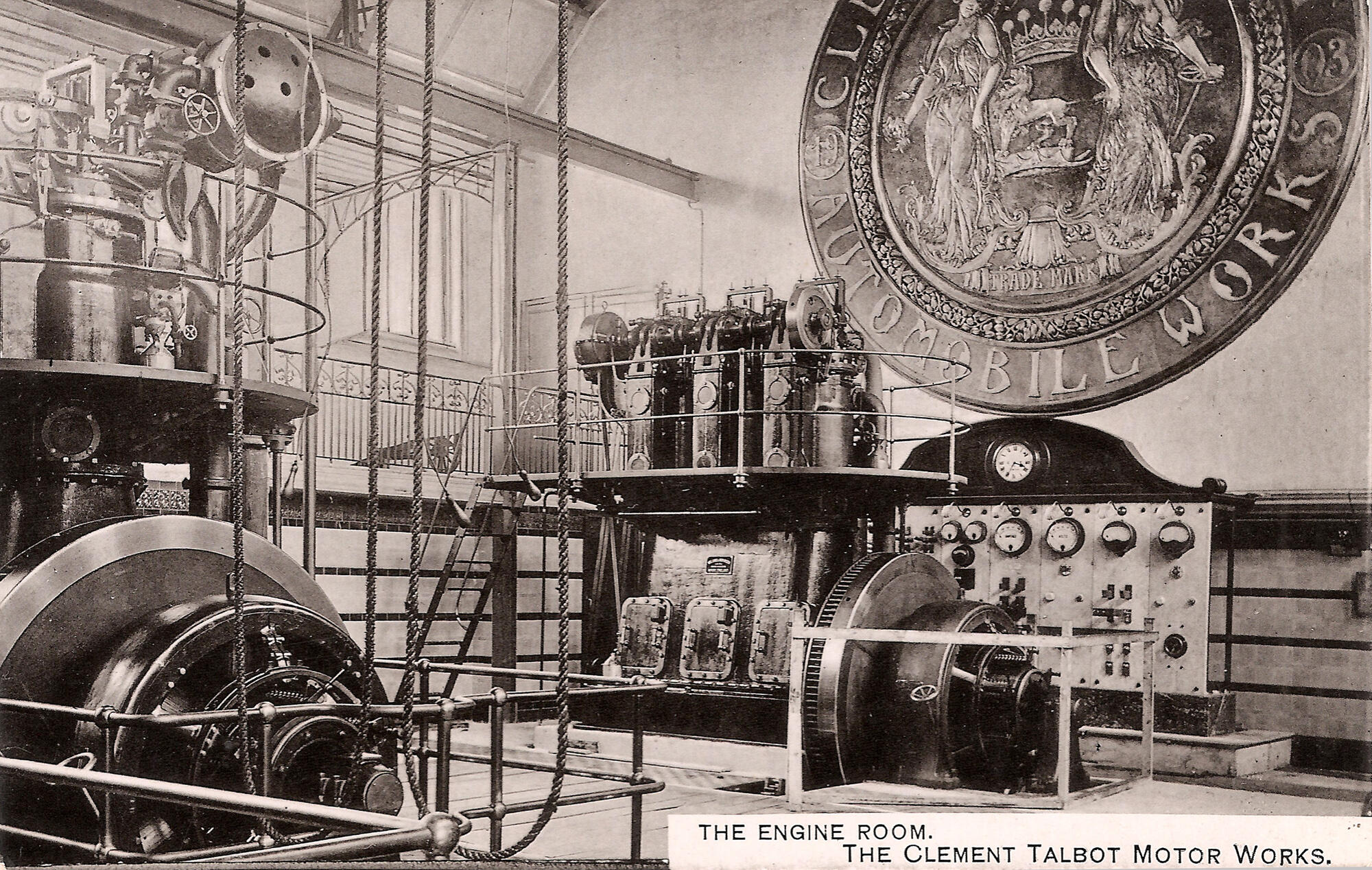
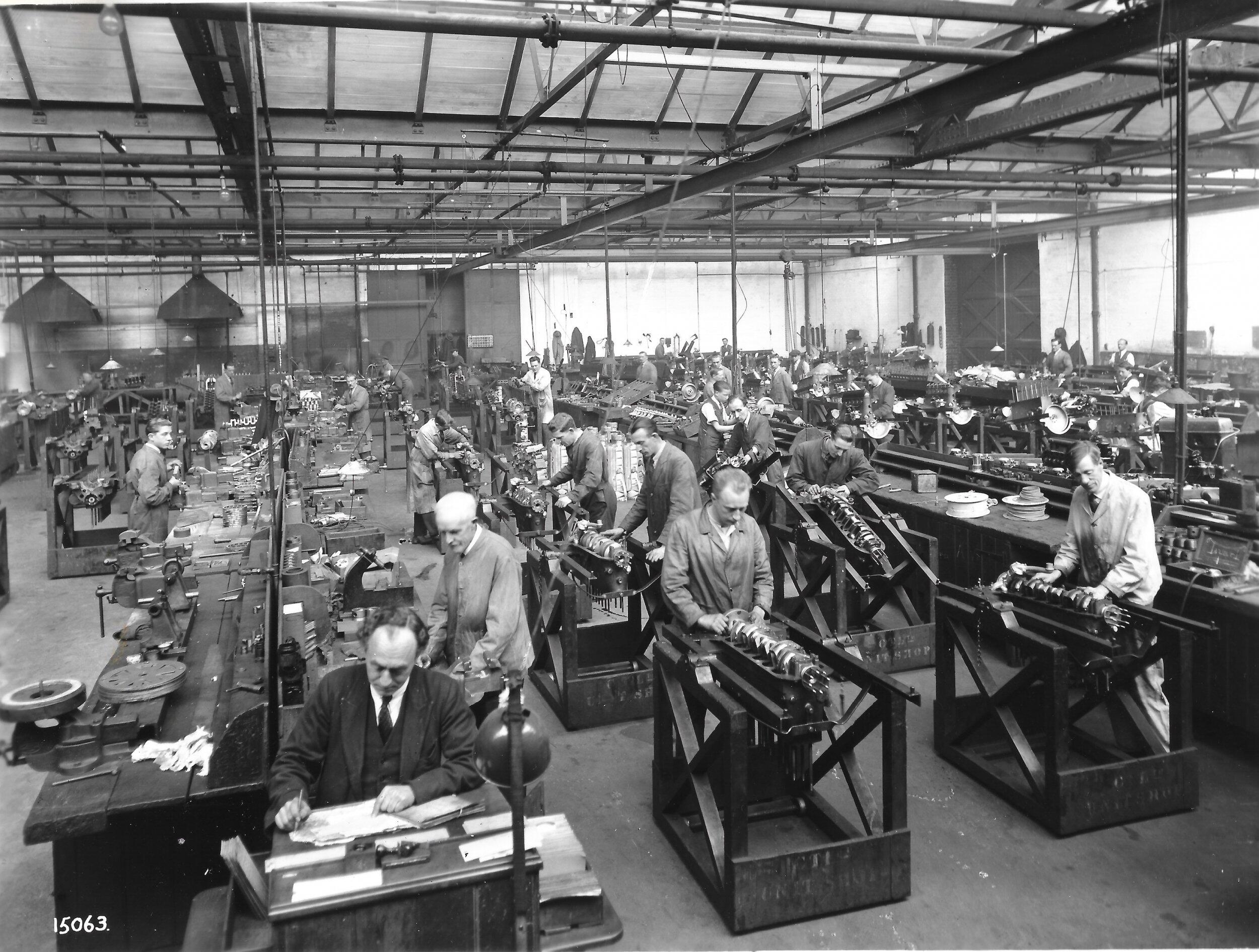
One of Britain's first purpose built motor car factories, producing Talbot cars from 1903 - 1938. Cars were renowned for their reliability in world-wide trials to 1914 and for racing successes in the 1930s. Royal Naval experimental centre in WW1, developing armored cars and the first tank.
Region:
Red Wheel Site:
Transport Mode(s):
Address:
79 Barlby Road,
London
Postcode:
Visitor Centre:
Opening Times:
Not open for casual viewing. See website for business hours.
Website:
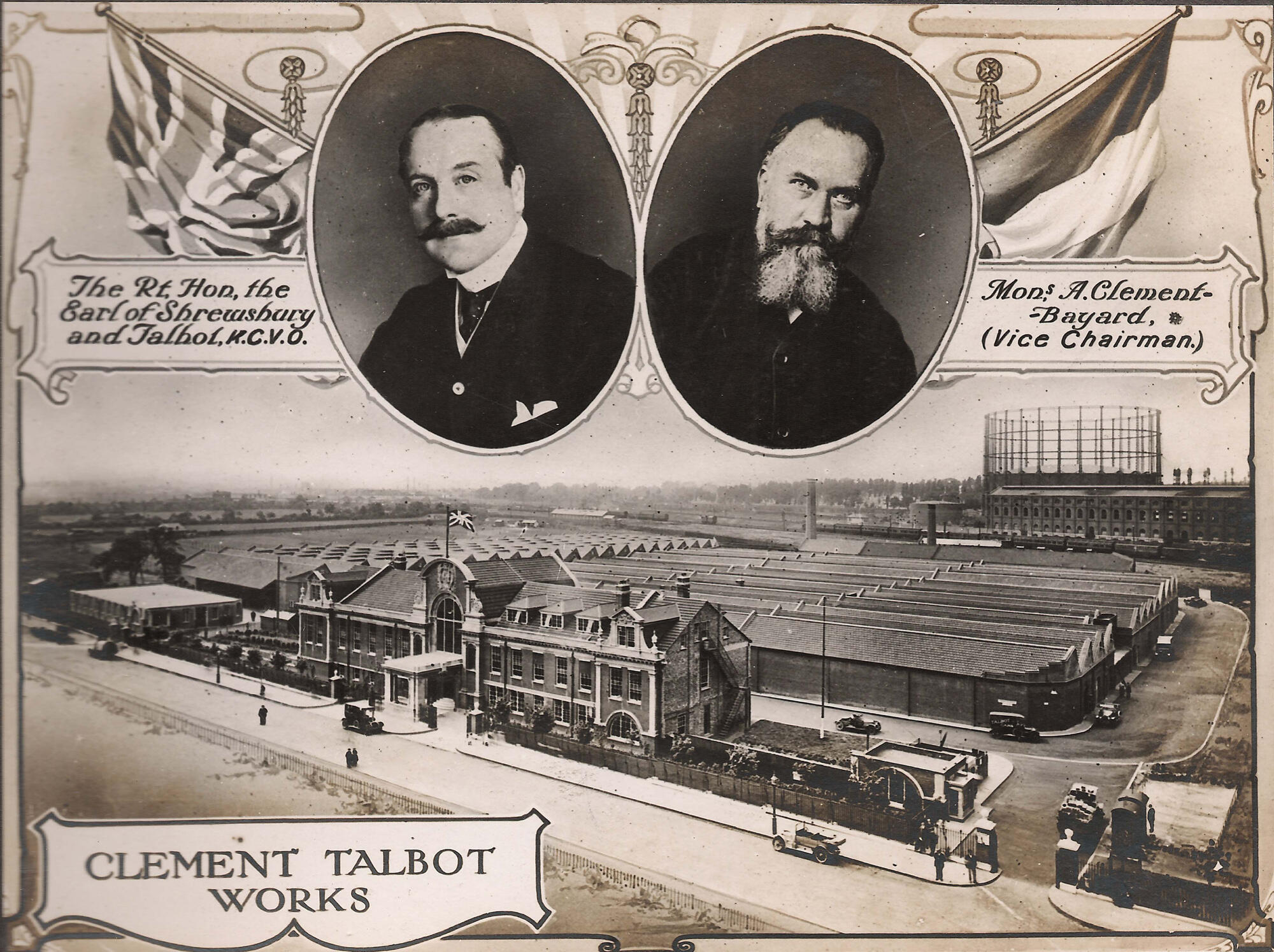
Visit websiteClement Talbot Ltd was an Anglo-French company formed in October 1902 to capitalise on French expertise in motor car design and production. France produced most of the world’s cars at this time, a quarter of them being exported to Britain.
The company was created by Adolphe Clement, a leading French motor manufacturer and the Earl of Shrewsbury and Talbot who provided the finance.
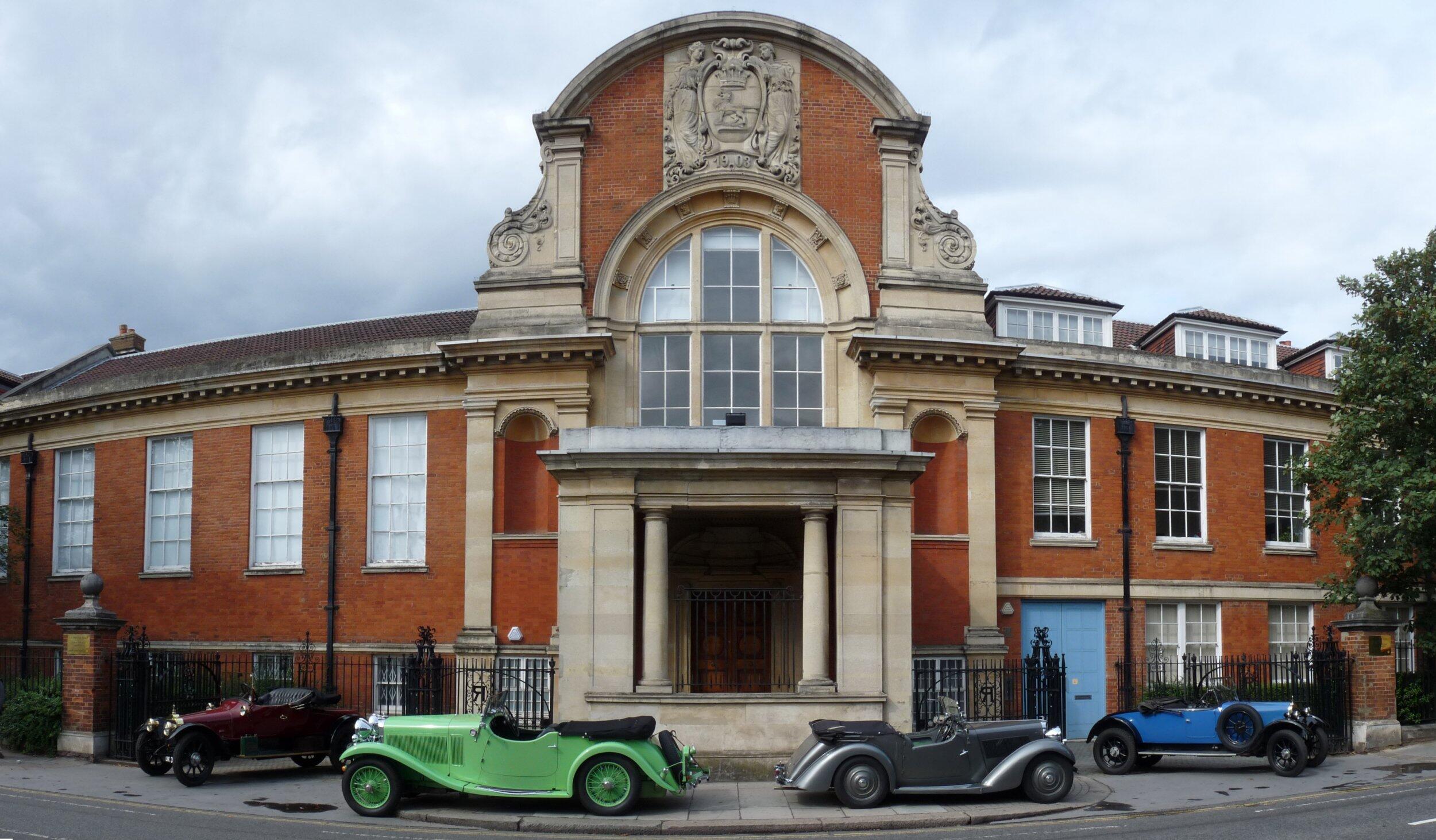
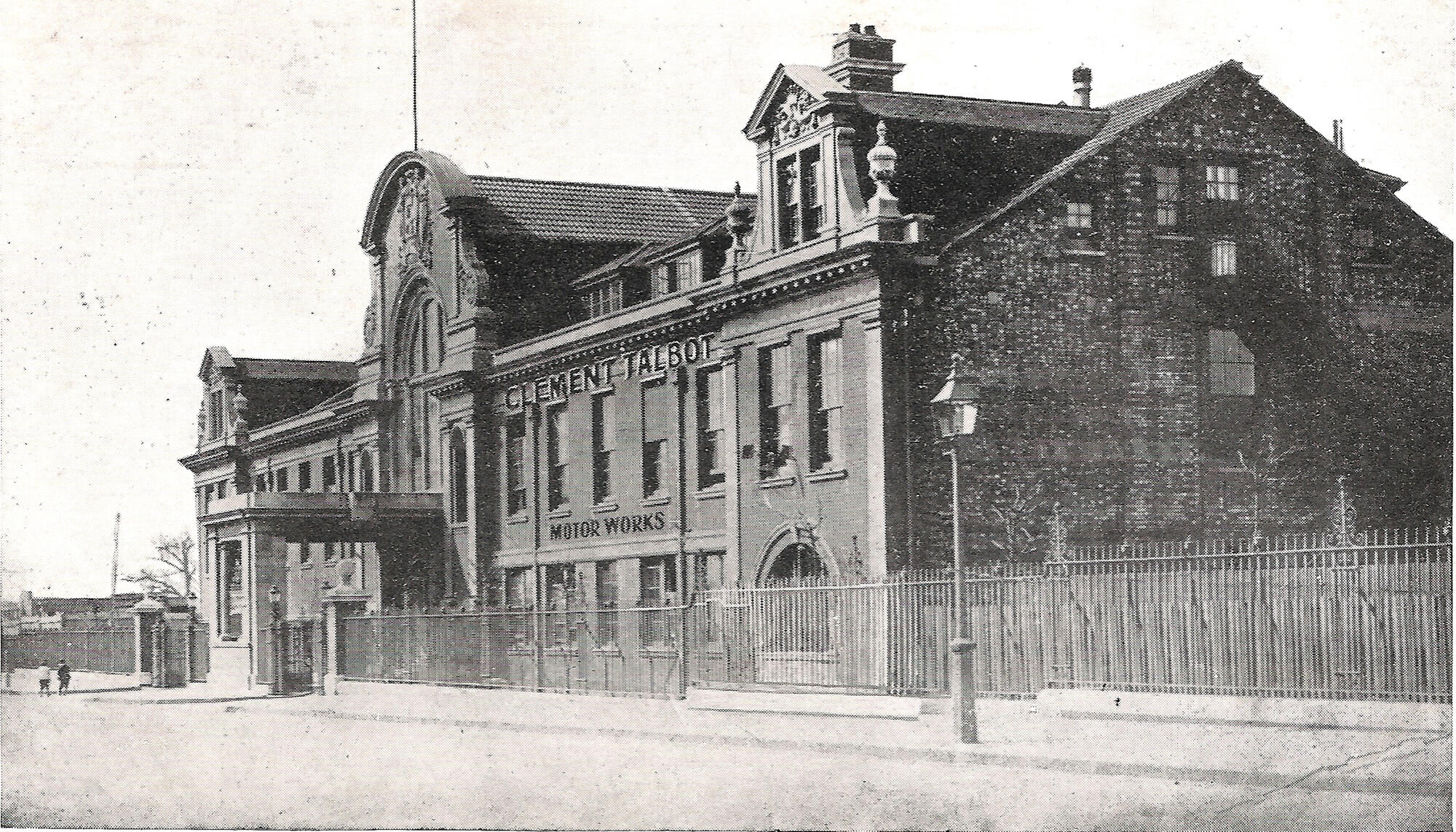
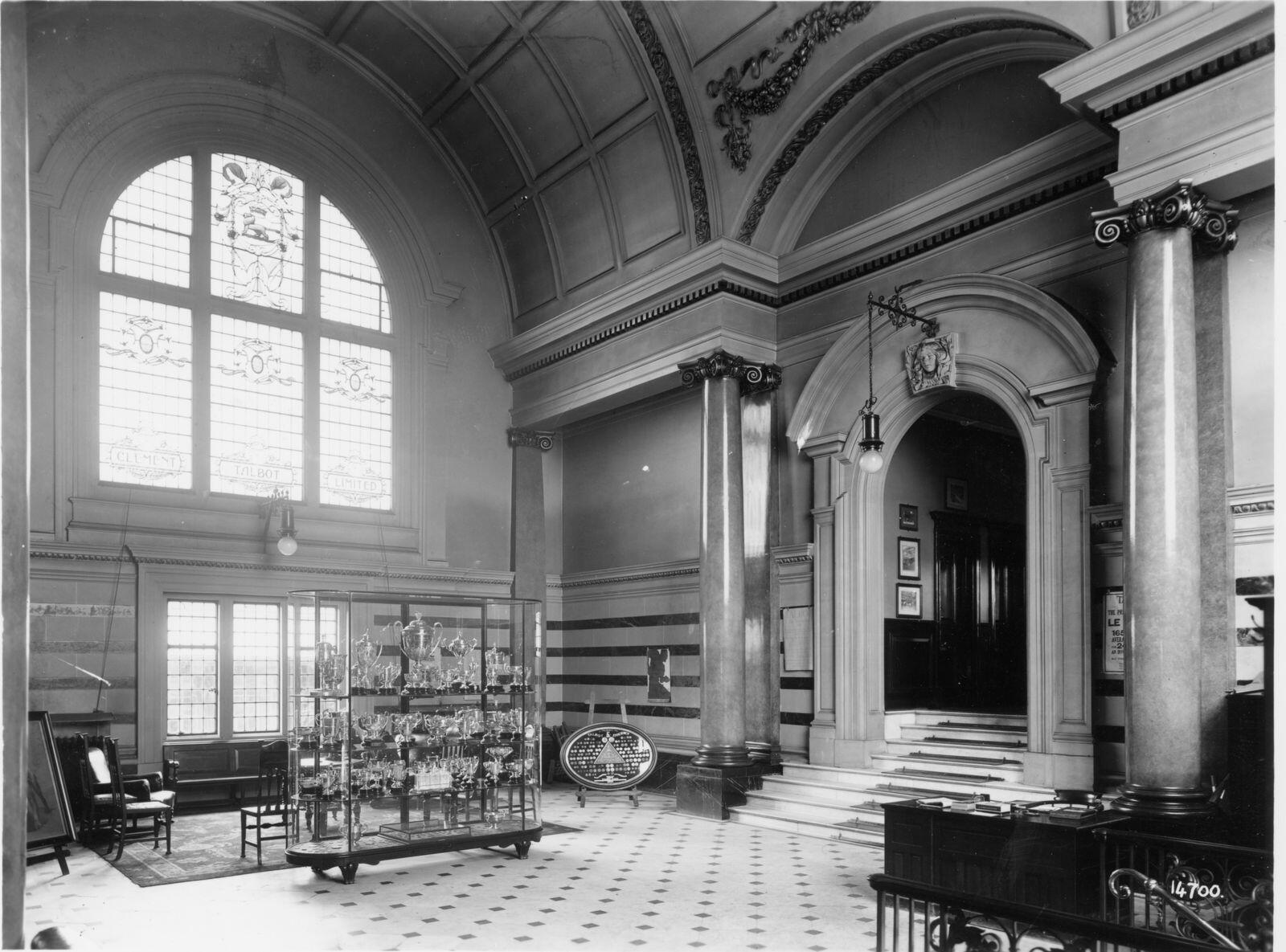
Ladbroke Hall, the elegant building that fronted the factory at Ladbroke Hall, N. Kensington was built in 1903-4 in the ornate style of a grand Edwardian house. The company moved from importing complete Clement cars, to assembling French components, to producing the first wholly British car in August 1905.
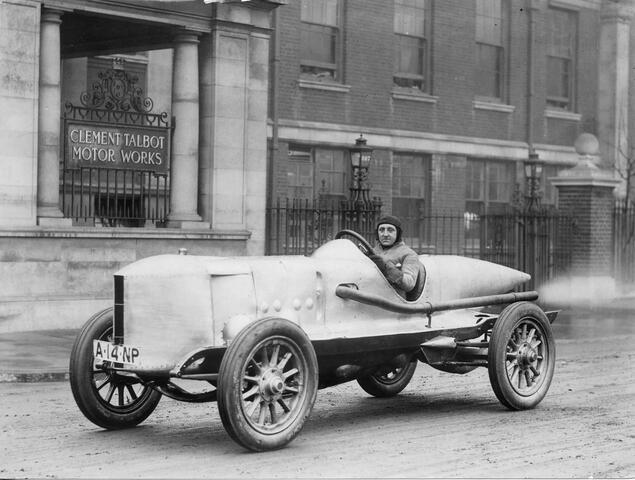
By 1914 Talbot cars had earned an enviable reputation for quality and reliability in trials, hill-climbs and endurance events all over the Empire. The title “The Invincible Talbot” was widely used and accepted.
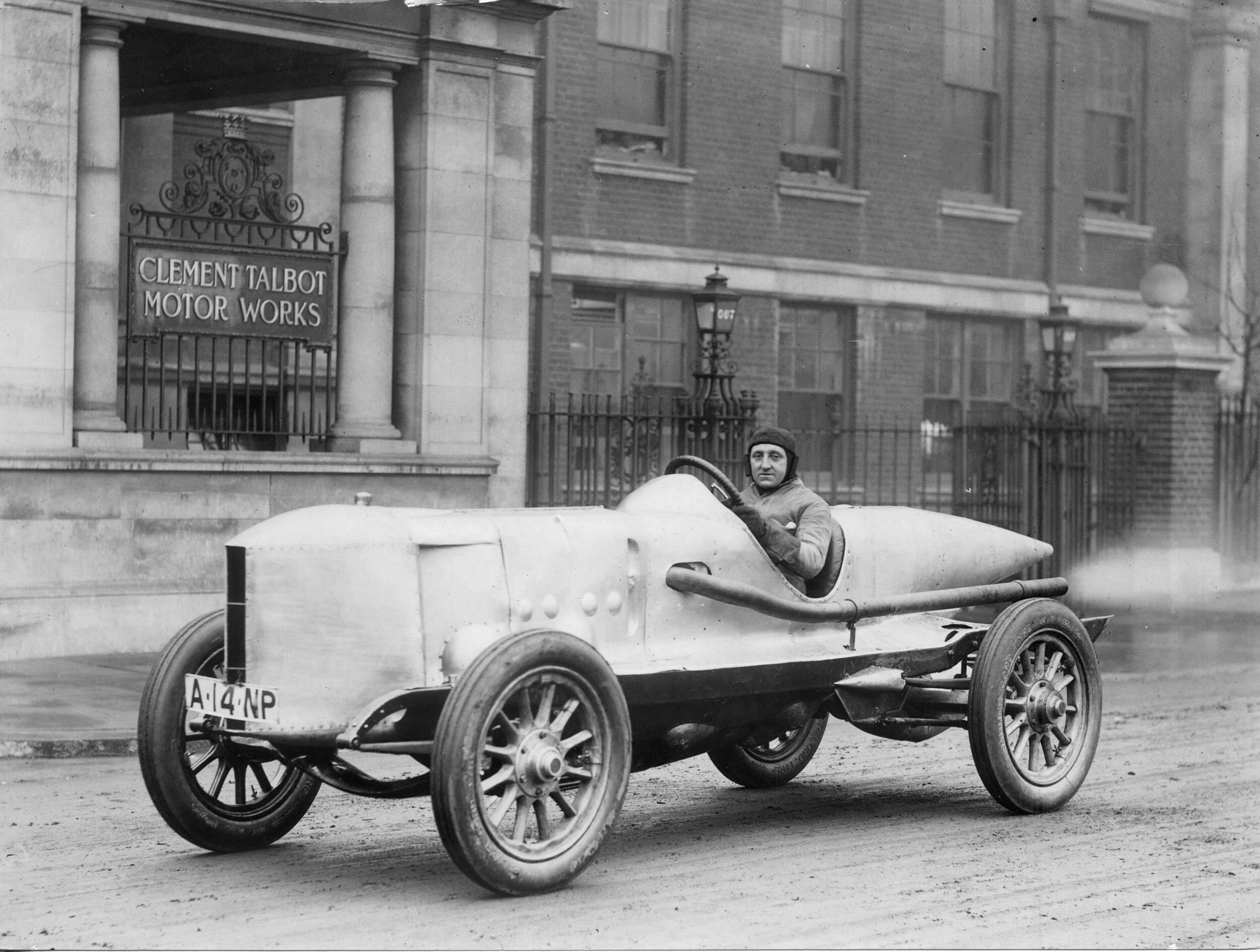
In 1913 a Talbot 25hp was the first car in the world to travel more than 100 miles in one hour. This was achieved at the Brooklands track in Weybridge.
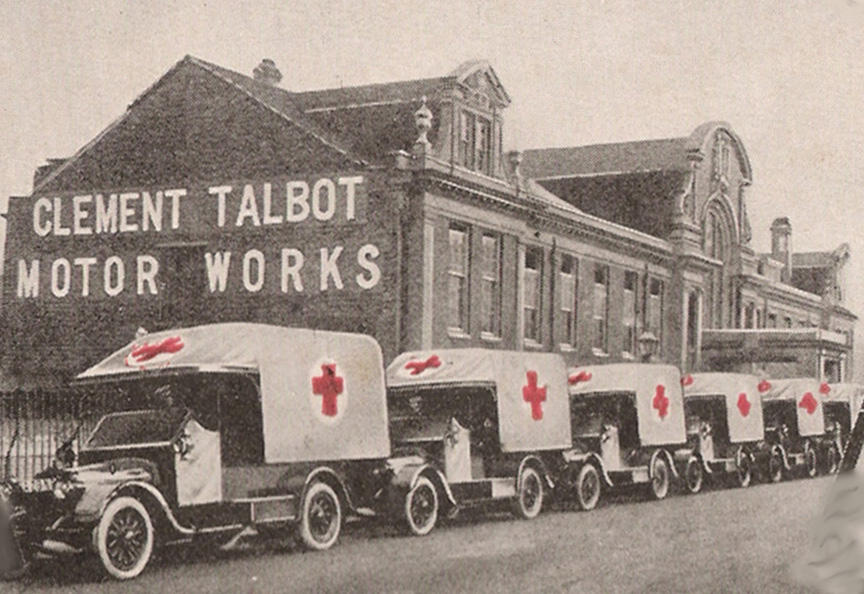
During WW1 Ladbroke Hall became one of Winston Churchill’s “centres of excellence” with the aim of bringing our troops safely up close to the enemy. Much experimental work was carried out there, resulting in the development of the most successful armoured car.
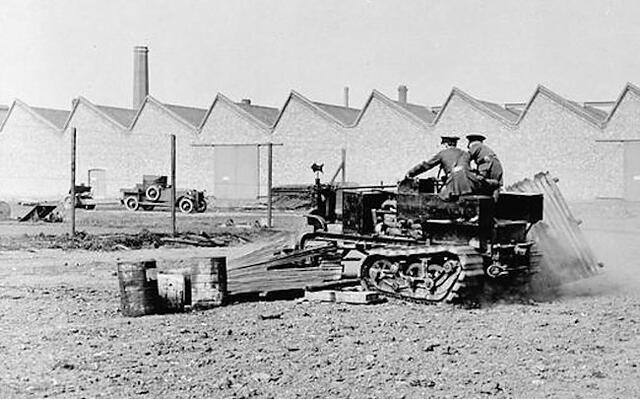
This aim led to the setting up of the Admiralty Landships Committee at Ladbroke Hall and the first tracked and armoured fighting vehicle was developed. This was the direct predecessor of Little Willie, the first tank.
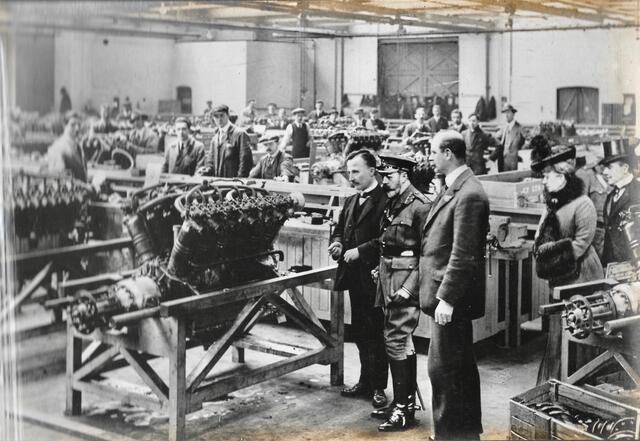
During WW1 Ladbroke Hall continued to produce military staff cars, lorries and ambulances. It was the HQ of the Royal Naval Armoured Car Division. It was the training base for hundreds of naval wireless operators. In 1917/18 it serviced aero engines.
Car production resumed in 1919 and the site was also used to refurbish thousands of ex-military commercial vehicles.
1927 saw the launch of a new, revolutionary Talbot car – the 14/45. Its success led to the highest production level of any years of the company’s existence – 2200 cars in each of 1927, 1928 and 1929.
Development of this car led to outstanding Talbot successes in motor racing in the 1930s, with wins at Le Mans, Brooklands, Grands Prix, Tourist Trophy races and Alpine Trials and elsewhere.
In 1935, the group that had absorbed Clement Talbot Ltd in 1919 (The Sunbeam Talbot Darracq Combine) was bought from liquidators by Rootes Motors Ltd. Talbot was a successful company and Rootes continued car production at Ladbroke Hall, under the Talbot and Sunbeam Talbot brands, until 1938.
For about thirty years after WW2 Ladbroke Hall was the main London Service Depot for all Rootes cars, later operated by Warwick Wright Ltd.
In the 1980s Ladbroke Hall was used by various companies, a film lighting company, Thames Television and others. It was then let out on short leases and used for go-kart racing, training police dogs, etc. and the site became more run down.
The whole site was listed Grade II in 1989 but as no new use could be found for the large manufacturing buildings they were de-listed and demolished in 1993. The land was used for housing.
The grand main front building of Ladbroke Hall remains listed but has struggled under various short leases for part occupancy to community centres, art galleries, a doctors’ surgery, film and design studios and several others.
In 2019 the whole site was bought by Carpenters Workshop Gallery as their London studio, joining others in Paris, New York and Los Angeles. The grandeur of the building suits this global brand offering exhibitions of very high class jewellery, design and arts in all mediums. It has art workshops, a film and photographic studio and offers fine dining to clients from all over the world. It has been superbly restored and the building is now safe, in one devoted ownership.
This entry text by Stephen Lally - Talbot Historian, with our thanks.
Photos: Mike Lunch; Sunbeam Talbot Darracq Register, Imperial War Museum, with thanks.

North of the start of the elevated M40 at White City.
Nickols, Ian and Karslake, Kent, Motoring Entente. The Story of Sunbeam, Talbot, Darracq and Sunbeam Talbot cars. (1956)
Blight, Anthony. Georges Roesch and The Invincible Talbot. Grenville Publishing (1970)
Lally, Stephen and Tomsett, John. Talbot in The First World War, The Activities of Talbot Cars and the Clement Talbot Works, 1914 - 1919. Published privately. (2008, re-printed 2018)