Villiers Engineering factories, Wolverhampton

Founded in 1898, UK's largest manufacturer of 2-stroke petrol engines, bicycle freewheels and a latterly a major motorcycle manufacturer. The factory buildings mostly survive intact.
Region:
Red Wheel Site:
Transport Mode(s):
Address:
4-6 Upper Villiers Street and Marston Road Industrial Estate
Wolverhampton
Postcode:
Visitor Centre:
Opening Times:
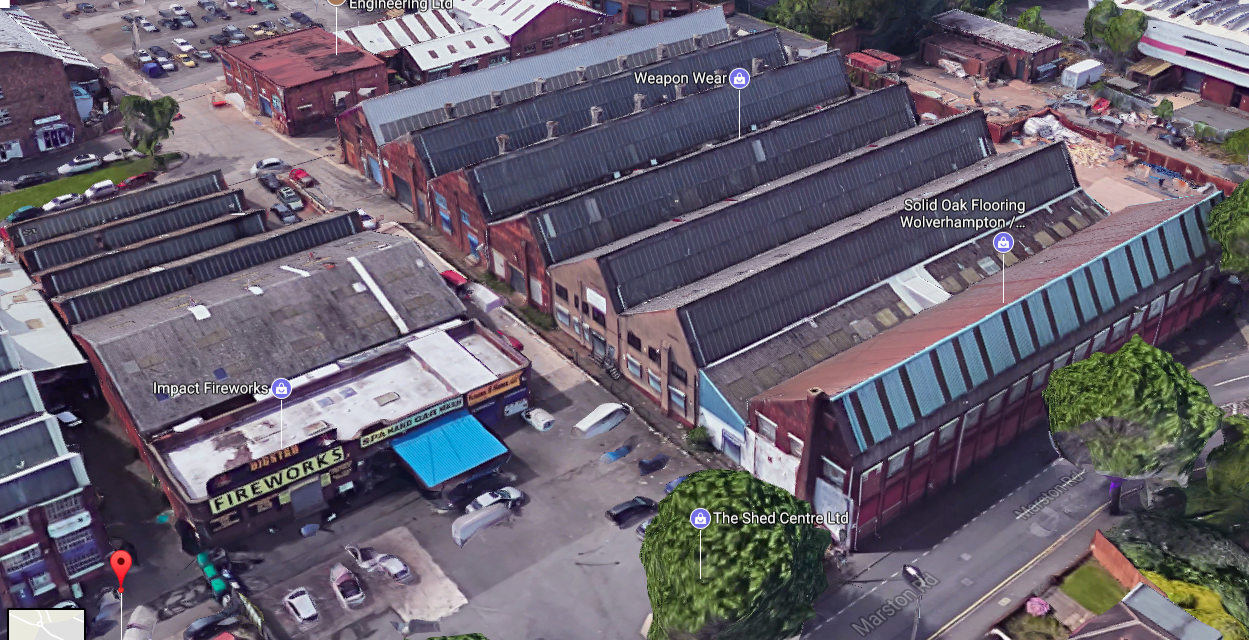
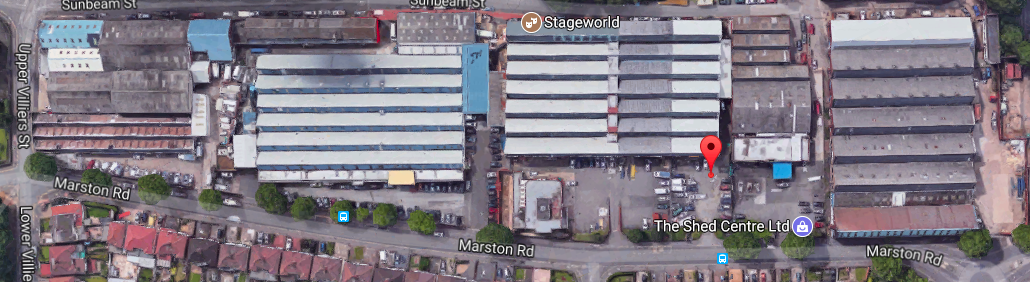
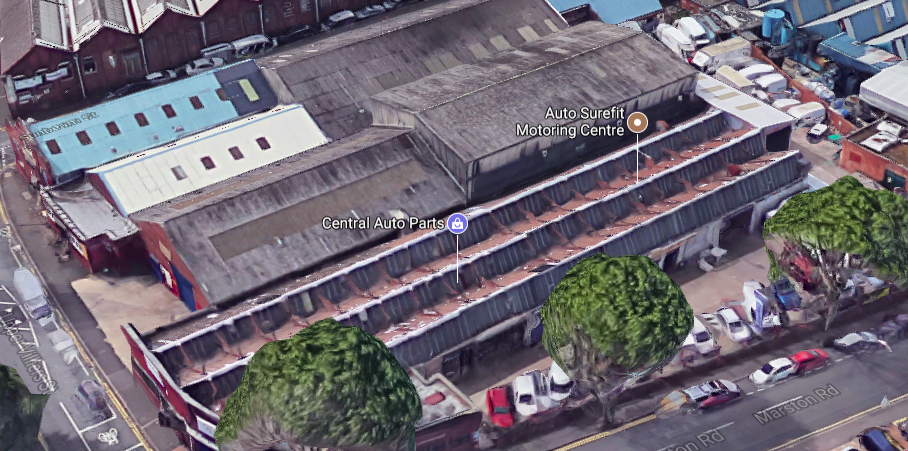
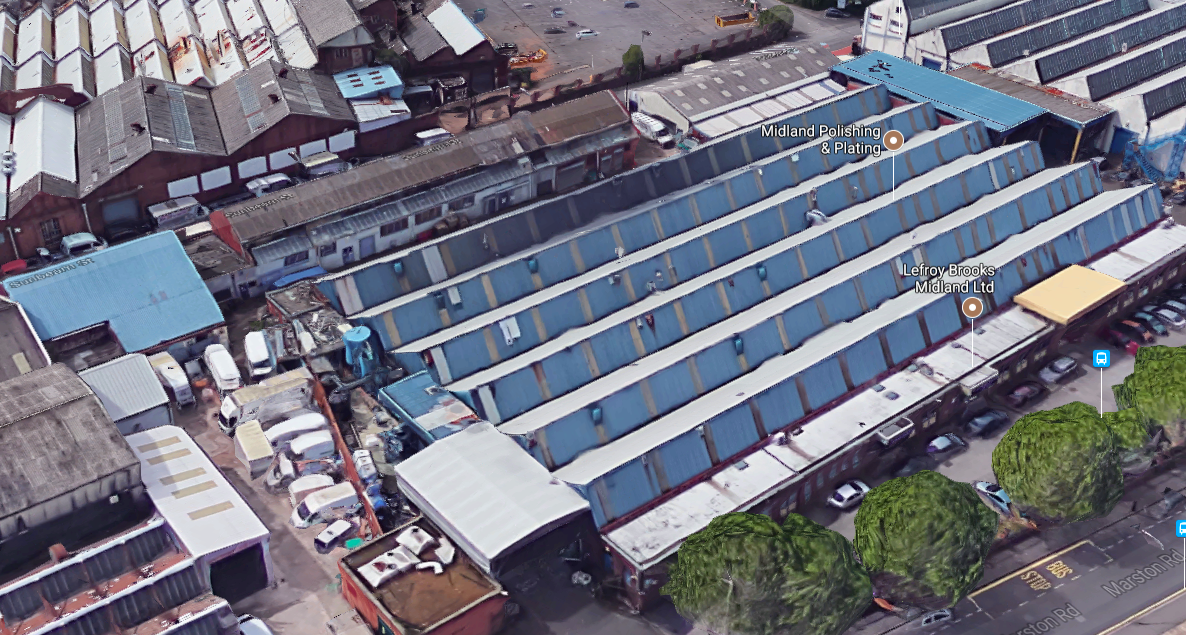
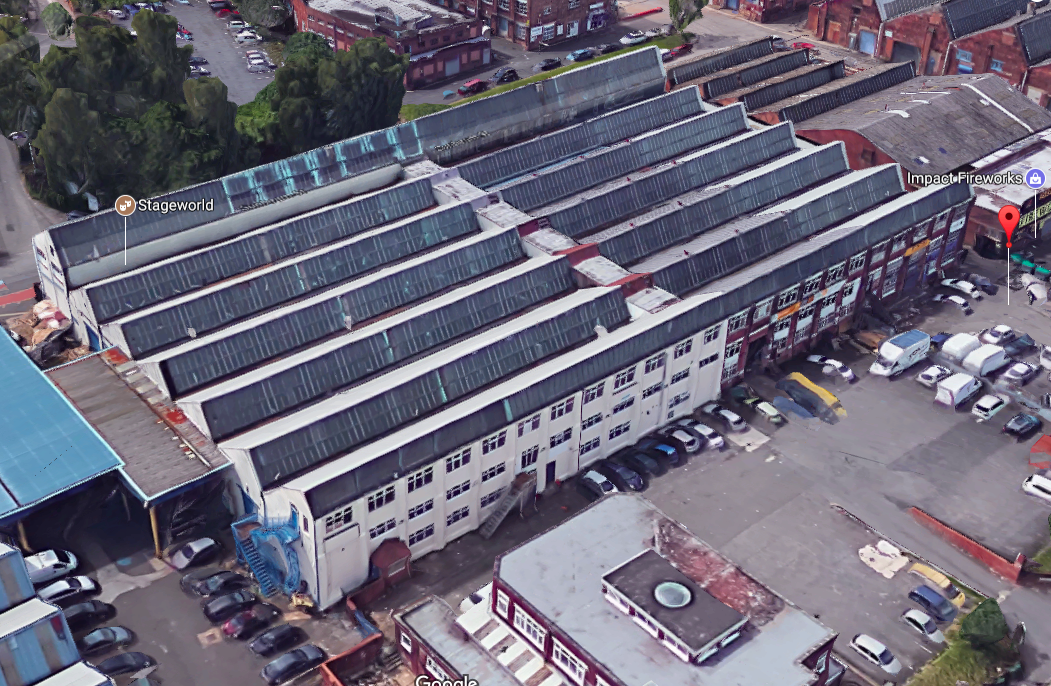
Not open to the public - buildings can be viewed from the street and on Google Earth / Street View
Website:
Visit websiteThe Villiers Engineering Company Ltd., established in 1912, sprang from Sir Charles Marston's Villiers Cycle Component Company, which was established in 1898 and based in Upper Villiers Street to make cycle components needed by Sunbeam cycles.
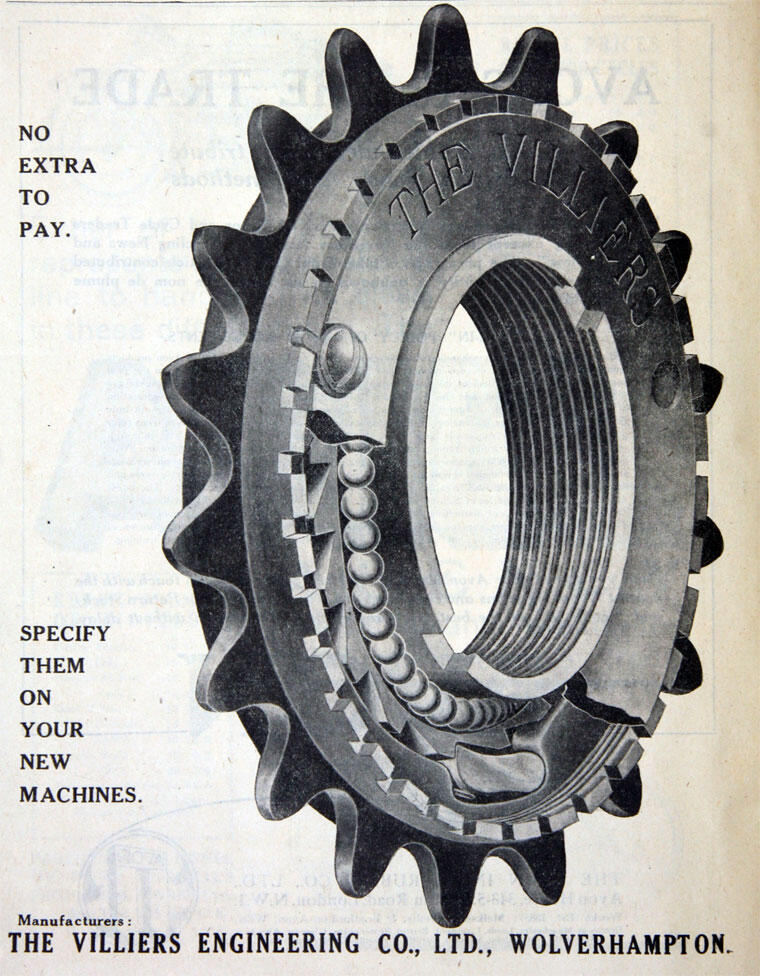
Villiers soon also started developing and making cycle freewheels patenting a Driving, Freewheel and Braking Mechanism in 1904 - evolving into the Villiers Freewheel, patented in 1924, which they made in huge volumes - peaking at 11,000 per month just after WW2 (4 million units per annum), supplying all major cycle makers.
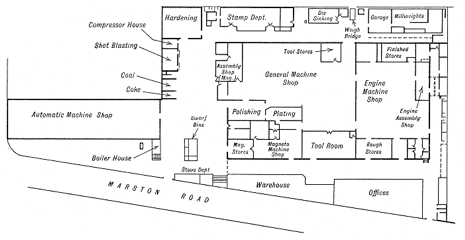
In 1912 Villiers occupied a half acre site in Upper Villiers Sreet and employed 20 men - by 1956 they employed 3,500 people occupying a 17 acre site on Marston Road.
By 1913, simple two-stroke engines were being produced and being used on basic bicycle designs - the first two-stroke 269 c.c. engine produced, went on to become the basis of the first motorcycles.
After the First World War (1914-1918), the company expanded into purpose-built factory buildings in Marston Road.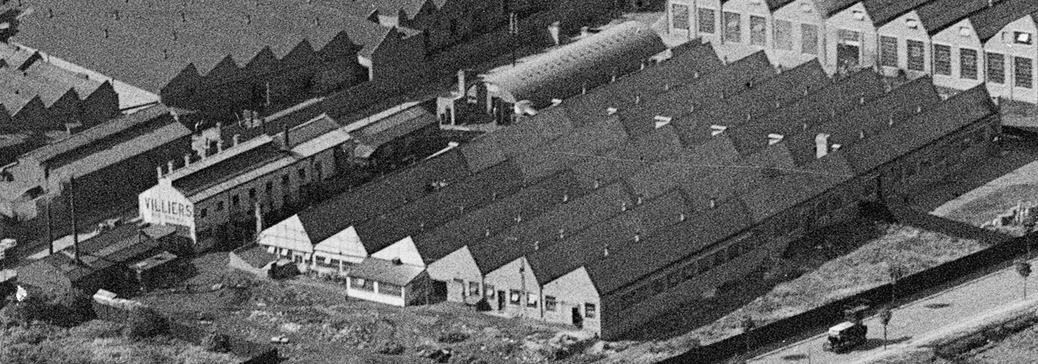
The company continued to expand in the 1920s, with a new range of 150, 250 and 350 c.c. engines. It greatly benefited by the invention of the Flywheel Magneto 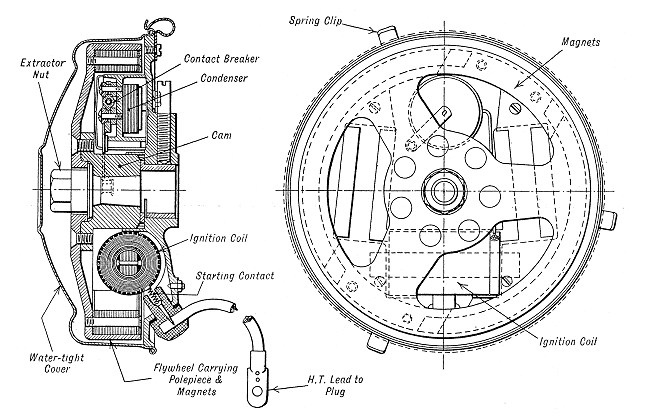 by Frank Farrar, the future Works Director and Chief Engineer and developed by Frank Pountney for general production, and who was also later appointed as Chief Engineer and Director of the company. The Villiers Flywheel Magneto, patented in 1926, eliminated additional components, was incorporated in all Villers engines and also supplied to other manufacturers such as British Seagull (orginally Marston Seagull, another John Marsden Ltd spin off company). Villiers also gained a considerable reputation in motorcycle racing with the 172 c.c. 'Brooklands' engine and later with the 'Super Sports' engine.
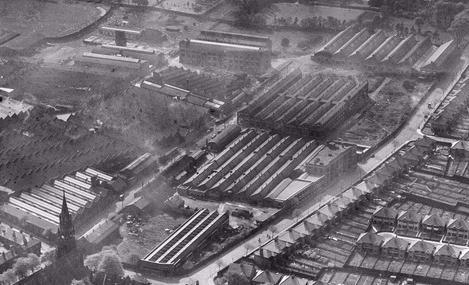
In 1936, the company took over part of the substantial recently vacated works of the bankrupt Sunbeam Motor Car Company adjacent in Marston road, as more space was needed. In addition to powering motorcycles, Villiers engines now had uses in agricultural machinery, lawn mowers, fire-fighting, road sweeping equipment etc. and were exported to many parts of the world.
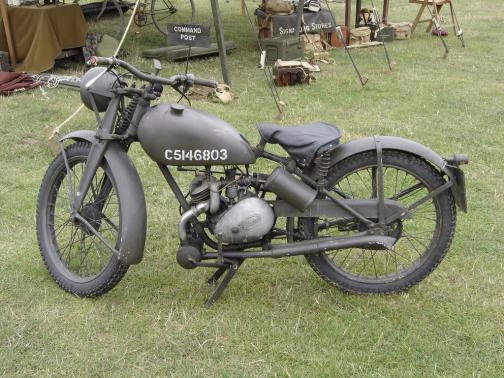
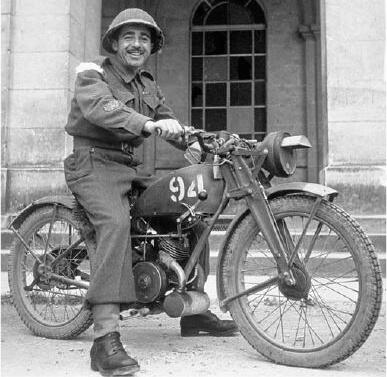
Villiers engined motorcycles were also used during World War Two (1939-1945), for example during the North African campaign. The famous James ML motorcycle, known affectionately as the Mechanical Mouse and illustrated here, utilised a Villiers engine.
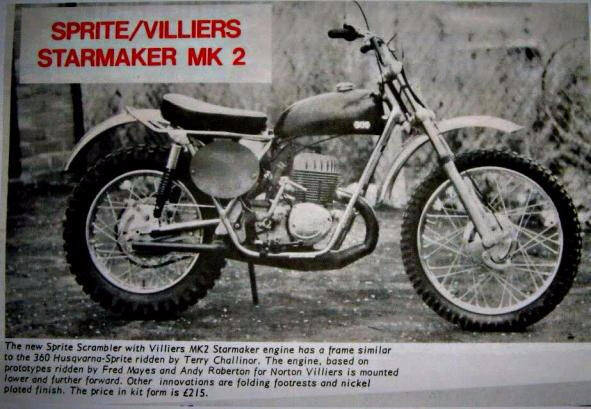
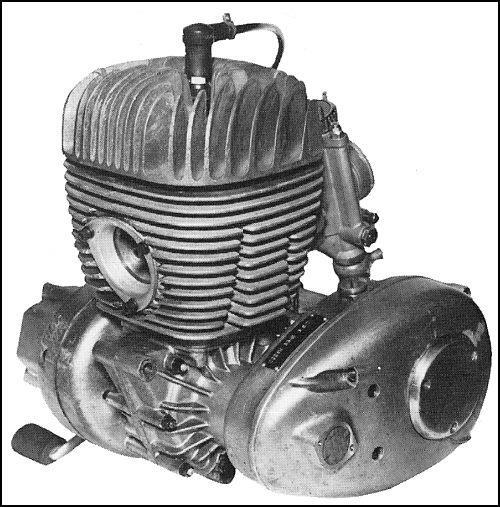
The 1950s and 1960s were the boom and bust years for Villiers. Many machines were now made for recreation as well as sport. Their sucesses in competitive events were again numerous at this time, particularly with the introduction of the 'Star Maker' motorcycle engine which was used widely and successfully in competition machines
.
In 1956 Villiers produced its two millionth engine, a Villiers 225cc two-stroke single cylinder Mark 1H 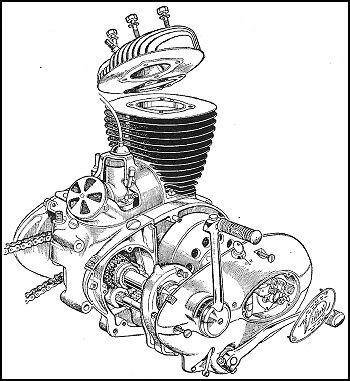 motorcycle engine and presented it to the Science Museum in London and purchased Robert Harris Ltd, who specialised in steel pressings and metal fabrications in Wednesfield, They also merged with J. A. Prestwich (J. A. P.) who supplied engines.
Between 1963 and 1967 Villiers and its JAP subsidiary manufactured some 7100 Lotus twincam engines for Lotus Elans and Lotus Cortinas - most of these engines being machined and assembled in Villiers Wolverhampton factories - possibly in the same building where the Sunbeam Car Company had made the world's first production car with Twin Cam engines in 1925 - the Sunbeam 3 litre Super Sports.
In the 1960s, Villiers they were taken over by Manganese Bronze who owned Norton, A. J. S. and Matchless, forming Norton Villiers, and later merged with the BSA group to become Norton-Villiers-Triumph, which eventually went into liquidation in 1978. NVT produced the engines and other components for the 750 c.c. 'Commando' machine at the Marston Road works from 1967-1975.
However Increasing competition from abroad and the increased desire for motor cars spelled the end of NVT as an independent high volume motorcycle manufacturer.Villers industrial engines continued for some years but are no longer in production. Villiers must have manufactured over 3 million engines of all types.
Most of the original Villiers factory buildings survive as at 2017, however they are now in use for a wide variety of purposes and must be considered as candidates for re-development as and when economic recovery in Wolverhampton provides pressure for modern buildings.
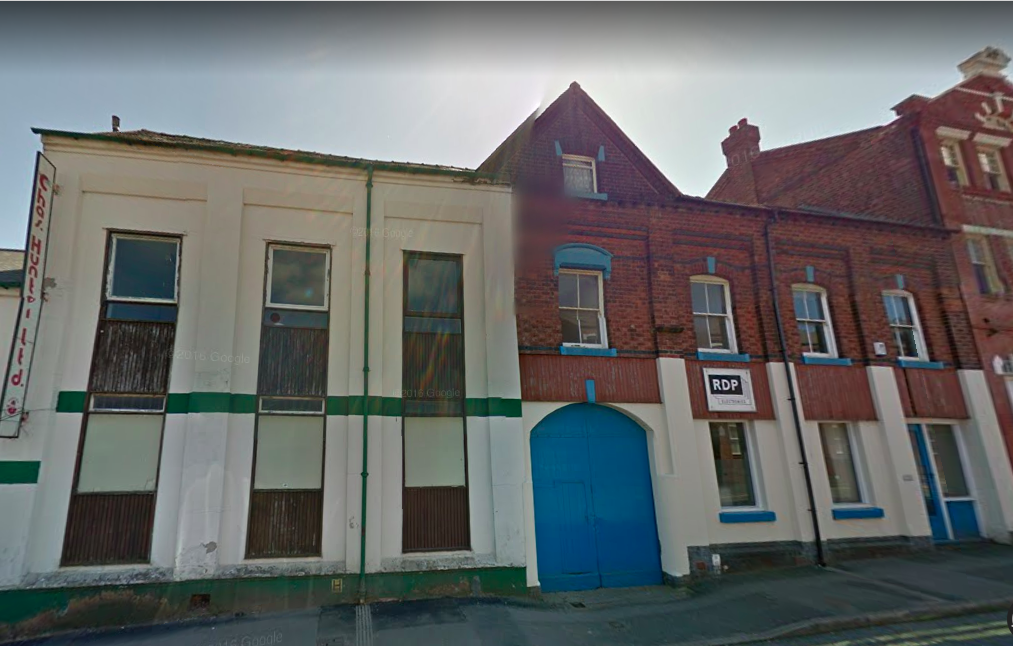
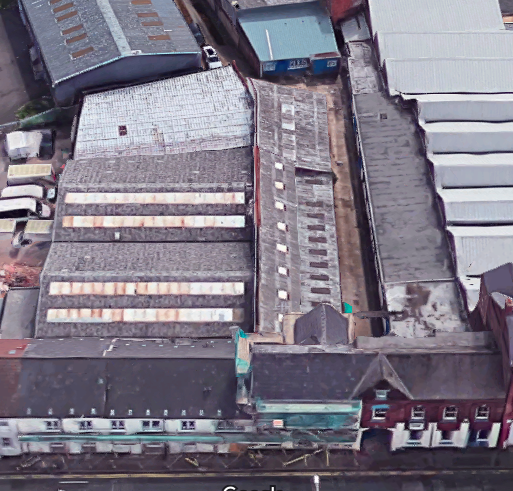
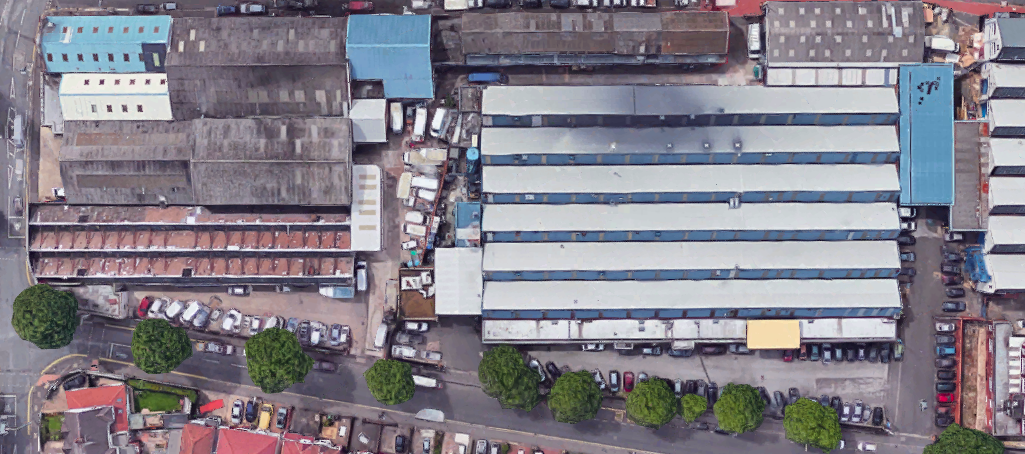
Grace's guide - Villiers - based on Wikipedia entry
The Villiers Story - Jack Sizer - excellent detailed account
Villiers - a short history of the company - another excellent detailed account
Von Harten, Marjorie; Marston, Melissa, Man of Wolverhampton: Life and Times of Sir Charles Marston, Coombe Springs Press, ISBN 978-0-900306-53-2 (1979)
Biography of Sir Charles Marsden by his two daughters - self published (out of print)
Wilkins, Miles, Lotus Twin-Cam Engine, Brooklands Books Ltd, I (2013)
Carrick, Rob; Walker, Mick, Villiers Everybody's Engine, Redline Books, ISBN 978-0-955527-84-5 (2010)
Editors note:
There is a most interesting difference in interpretation in the following accounts of the reasoning behind the setting up of the Villiers Components Company separate from Sunbeam Cycles at Sunbeamland:
In Jack Sizer's article "The Villiers Story" he states
"Unfortunately when it arrived it was found to be too big for the factory, so John bought an engineering firm, E Bullivant, moved the machinery in and put Charles in charge of the firm."
However in Marjorie Von Horten and Melissa Marston's 1979 biography of their father Sir Charles Marston they state:
"Charles said that the Villiers Engineering Co. was "the ultimate fruit" of his trip to the US, being impressed by the production system and the labour saving devices. He pointed out that "it was not possible to develop these at Sunbeamland, which had long been working on another plan, but it was possible to start them in a new factory".
This gives a clue that maybe the issue here was not physical space, but philosophical / cultural acceptability.
Charles had seen the "New World" of American "labour saving devices" and recognised their impact on production techniques and working practices. He must have been very aware that Sunbeam Cycles were made in an utterly different manner - hand made with superb craftsmanshiip - sold at a price which discerning buyers were happy to pay.
Villiers were embarked on a very different course - using modern automatic and semi automatic machinery to make large quantities of standardised parts to tight tolerances - allowing for rapid "right first time" assembly without the need for "hand fettling" - very much the modern manufacturing ethos.
Charles Marston visited the USA almost every year for most of his life - all three of his wives were American. He would have remained in touch with the amazing advances in mass production in USA through the 20's and 30's and would have used that knowledge in guiding Villiers as Chairman until his death in 1946. Villiers ability to embrace these evolving modern techniques kept them profitable, growing and viable for 60 years - unlike their sister Marston companies Sunbeam Cycles and Sunbeam Cars.
To understand the difference between these cultures one might get some more insight by contrasting the following two articles describing visits 5 years apart to two Marston founded factories situated just a few yards apart. Of course these were very different businesses - one making luxury hand build motor cars selling for £500 to £1000 each (the equivalent today of maybe £100K to £200K), the other making small 2-stroke utility engines selling for maybe £20 (the equivalent today of maybe £400). Nonetheless, they are an interesting contrast in techniques and innovation.
1. Visit to the work of Sunbeam Motor Co - Autocar, December 1928 - at the height of Sunbeam Cars success
2. Villiers Engineering Works - The Engineer, November 1934 - by which time Sunbeam Cars were already in decline, but Villiers were growing strongly.
http://www.historywebsite.co.uk/Museum/Engineering/Villiers/Villiers3.htm
http://blackcountryhistory.org/collections/getrecord/GB149_P_3765/
https://www.gracesguide.co.uk/Villiers
http://www.users.globalnet.co.uk/~pattle/nacc/arc0596.htm
https://en.wikipedia.org/wiki/Villiers_Engineering
http://www.saving-old-seagulls.co.uk/history/history.htm