Back to Affiliate List

What we do
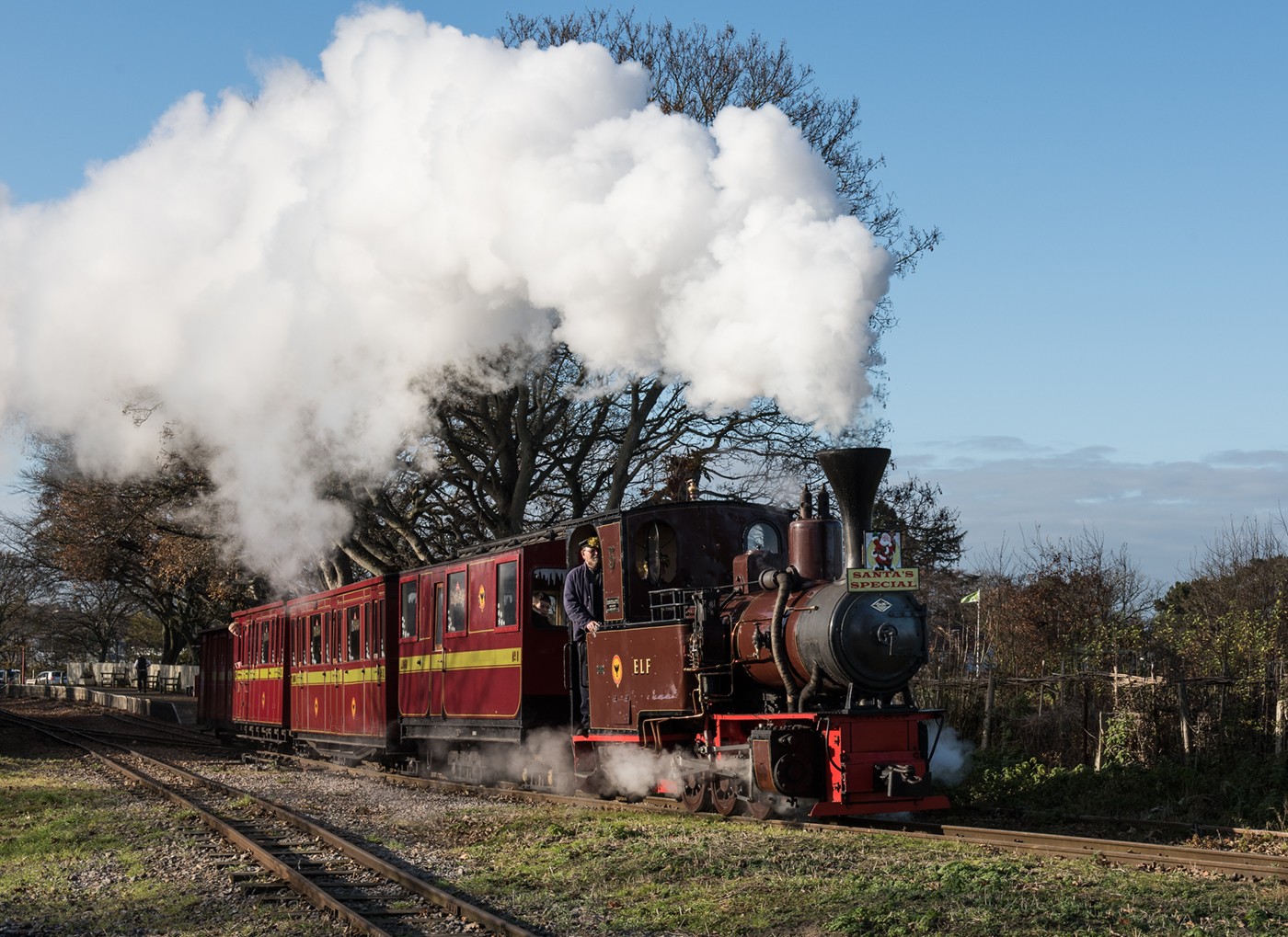
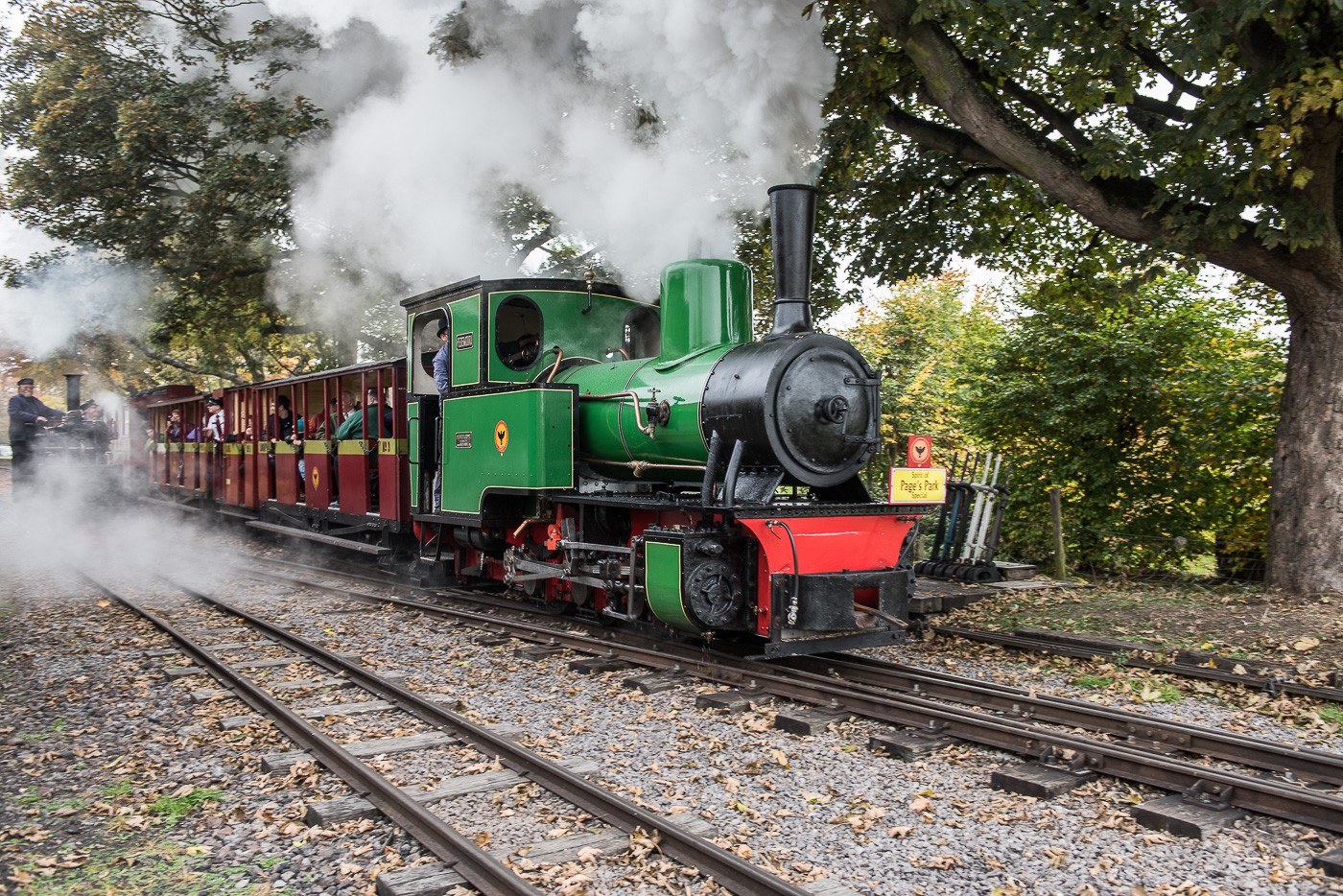
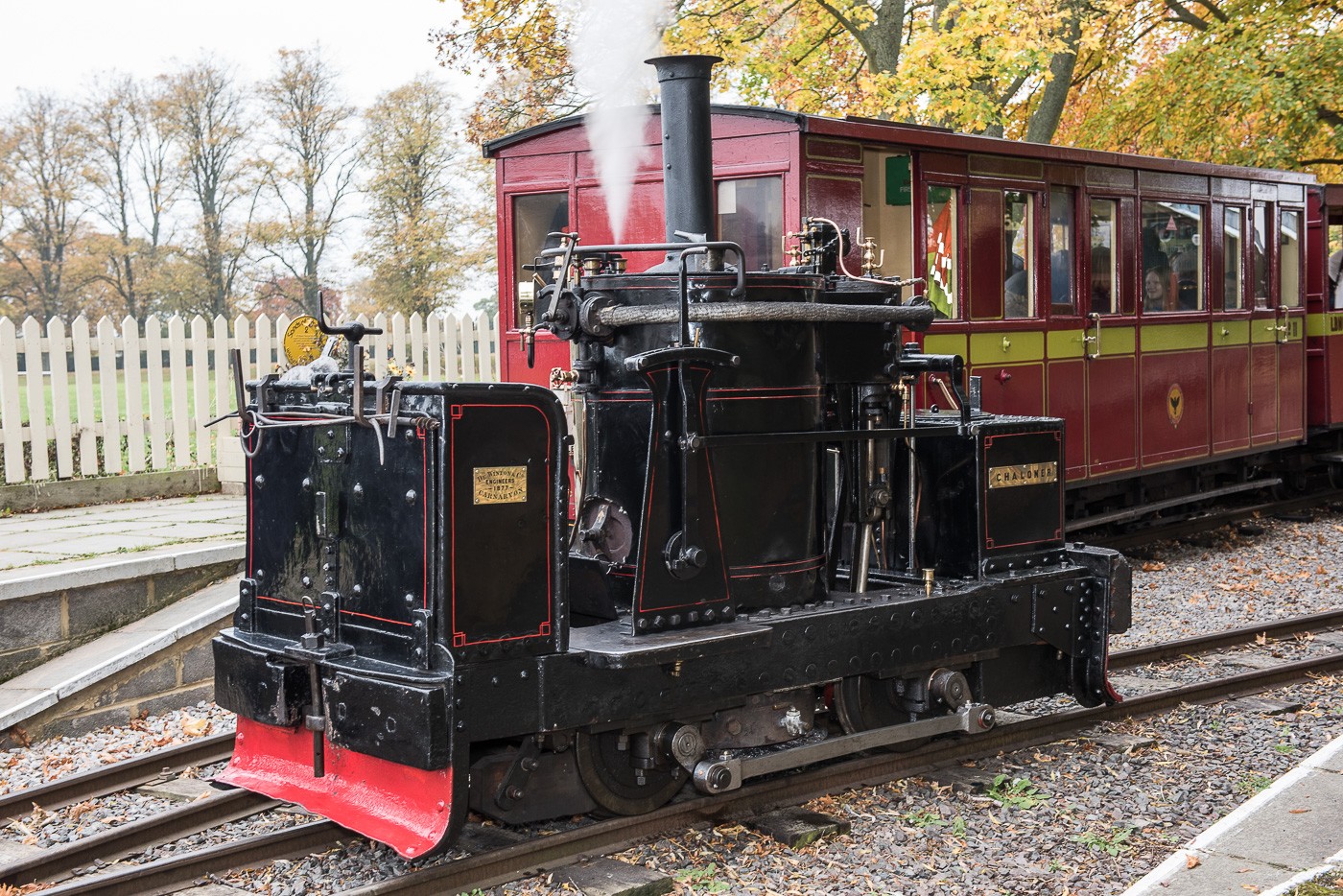
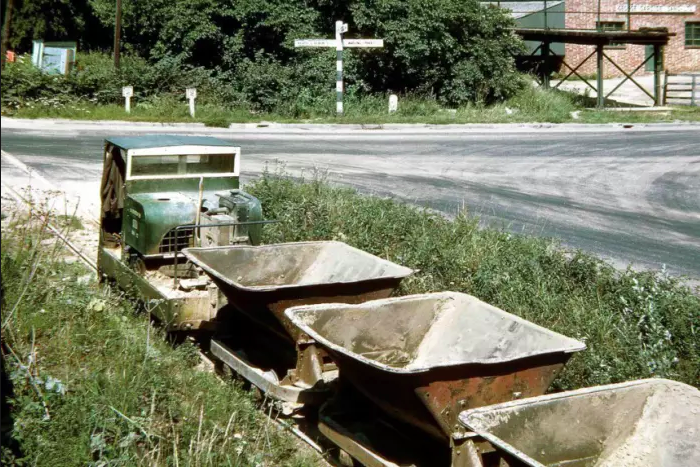
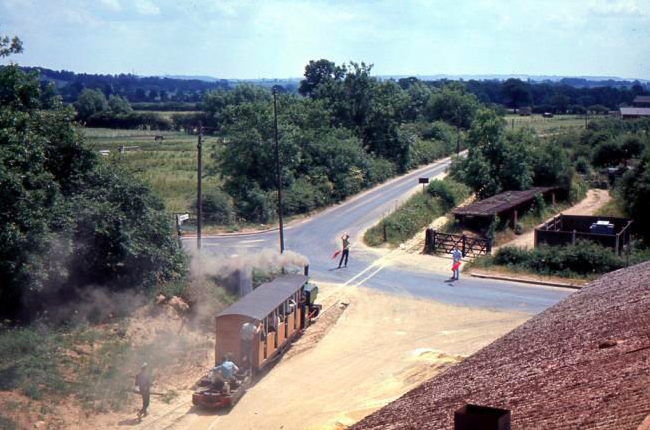
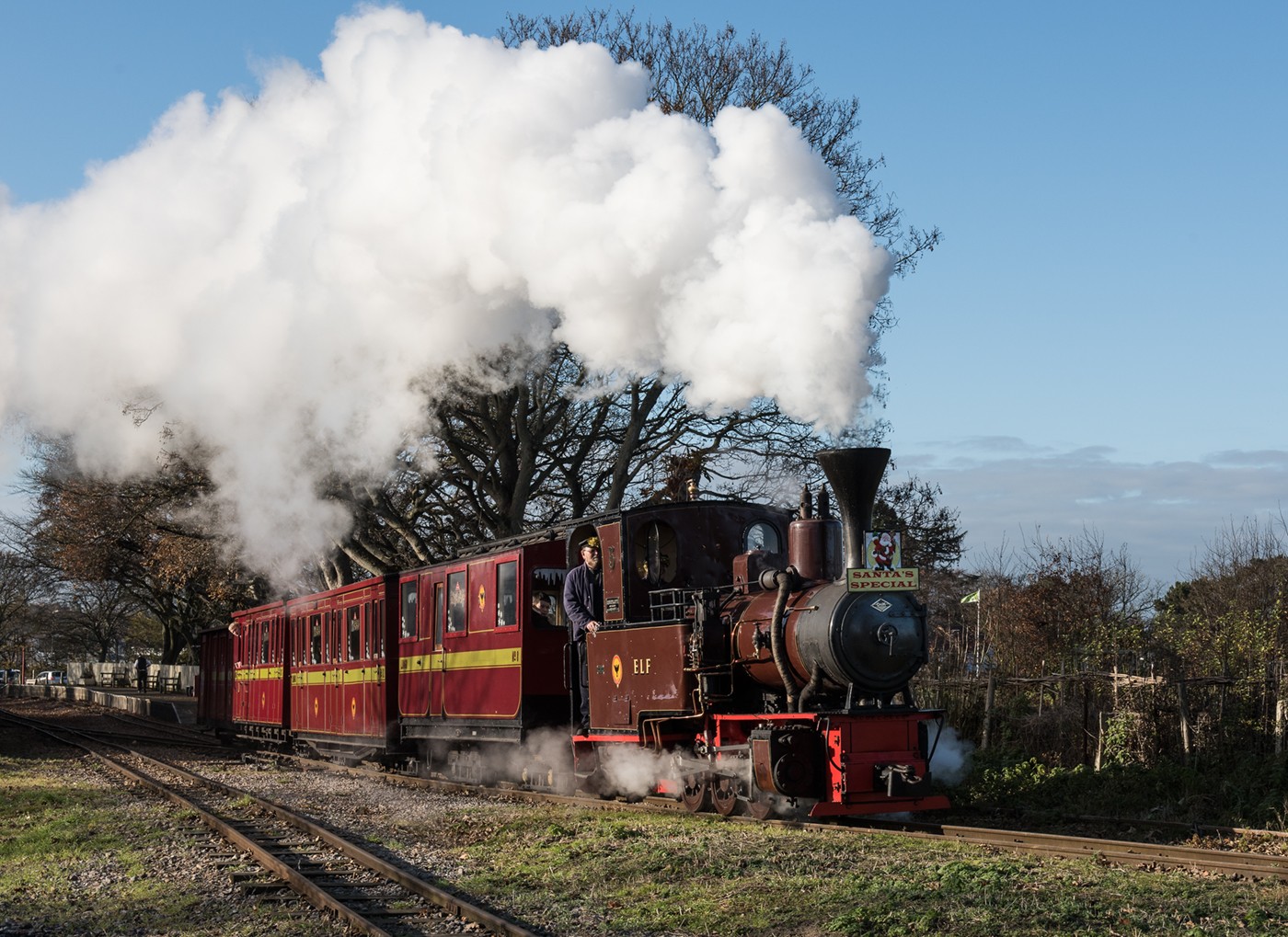
The Leighton Buzzard Railway is one of the last survivors of the hundreds of 2 foot (610mm) gauge light railways built in Britain for industrial use. It is believed to be the only remaining line which owed its existence to the ready availability of surplus materials and equipment from the First World War battlefield supply lines. Opened by Leighton Buzzard Light Railway Ltd in 1919 to transport sand, and uniquely operated since then without a break, it has carried a steam-hauled passenger train service since 1968. It also now houses one of the largest collections of narrow-gauge stock in England. Both the collection and the railway itself are covered by our Accredited Museum designation, awarded by Arts Council England. In typical light-railway fashion, the line features sharp curves, steep gradients - up to 1:25 (4%) - numerous level crossings of roads and paths, and a long stretch of roadside running, as it follows the local geography, rather than imposing itself on it. There is always something new around the next corner, including Britain's biggest onshore wind turbine! Today's Leighton Buzzard Railway offers an 85-minute round trip from Page's Park to Stonehenge Works, which is in the Bedfordshire countryside to the north of the town. The current track is just under 3 miles (4.8km) long. The original line continued for another 0.75 mile (1 km) to Double Arches. The railway is managed and operated by the volunteer members of the Leighton Buzzard Narrow Gauge Railway Society, which is a non-profit organisation with charitable status. You are very welcome to come and join us, and help preserve this unique piece of industrial history. We were awarded the prestigious The Queen's Award for Voluntary Service in 2017 for '50 years of conserving England’s industrial railway heritage'. We are a non-profit charitable organisation, run and managed by volunteers, and dedicated to the preservation of our historic railway since 1967 Images copyright Wizardly Images
£150,000 line extension appeal
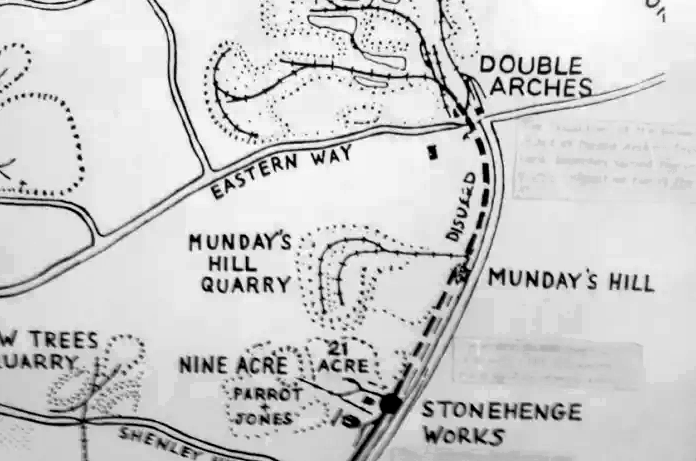
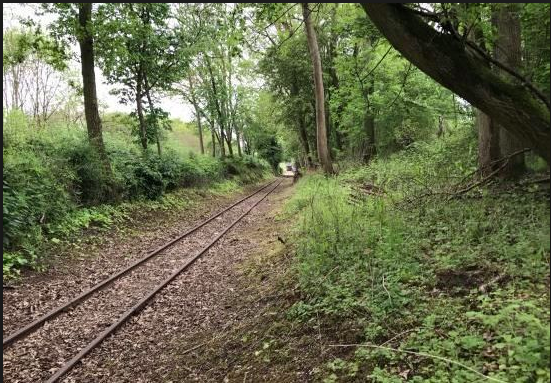
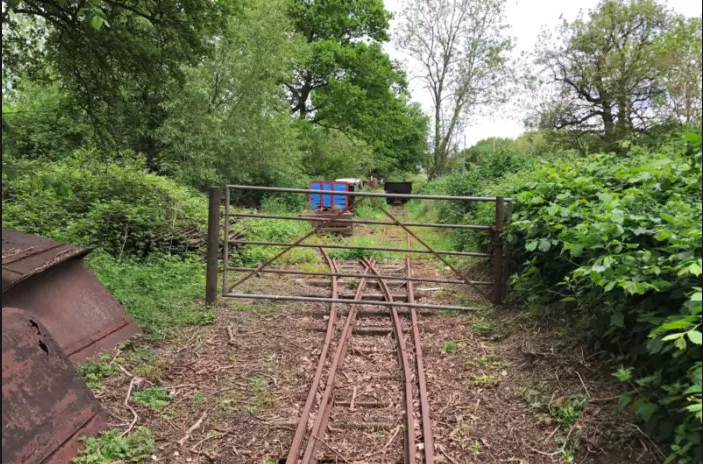
In this 50th anniversary year of our society we are taking the first step to extend our railway back towards the end of the main line at Double Arches. The Leighton Buzzard Railway served a number of quarries along its route. While as an industrial line there was never a station to define the terminus, the end of the main running line has nevertheless always been recognized as being at the point where the line crossed Eastern Way and entered the main quarry itself at a location known locally as Double Arches. Continuing sand extraction at the quarries there means that Double Arches is not yet accessible, but the opportunity now exists to extend the line beyond Stonehenge by nearly three-quarters of a mile, past Mundays Hill, within striking distance of that eventual goal. The Leighton Buzzard Railway is therefore pleased to announce the launching of an appeal for £150,000 to meet the projected costs of this extension and associated works at Stonehenge. As part of this project, work is well advanced to secure an element of grant support, but as success cannot be guaranteed and in any event will require an element of matched funding from our own resources, we need to start raising money now. As well as driving the railway back towards its original ‘terminus’, this extension in open countryside will offset the effect of the new housing developments proposed elsewhere along the line. The new line will also feature a section of line with a gradient of 1:27 providing new opportunities to enjoy the sight and sound of locomotives working hard, and also a section of unique British narrow gauge double track. The Leighton Buzzard Railway is driving forward into its second half-century with new energy against a background of growing passenger numbers and interest in our project. A return to Double Arches has been long dreamed of by many members and this new project will take us most of the way there, ready for the day when that final step will be possible.
Disclaimer note: This entry is being maintained by the affiliate who should be contacted direct in the event of any query.