
What we do
The Railway Correspondence and Travel Society (RCTS), is a national society formed in 1928 in Cheltenham for people interested in all aspects of railways past, present and future. It has become highly regarded by both professional railway people and enthusiasts alike.
In 1928 there was little information published about locomotive stock, their allocations or regular duties, so the Society was formed to rectify this by means of exchanging information and organising meetings. After the war years, the RCTS prospered through organisation of official shed visits, running railtours and expanding its branch network. Its magazine - The Railway Observer - by that time was being published monthly.
The journal covers the current, day to day and historical railway scene. As we approach our 100th anniversary, we remain Britain’s leading railway society and have been a Registered Charity since 2016. We now have around 2500 members from all over the UK and internationally and operate throughout the UK.
Our charitable aims include enabling the public to study and understand various aspects of the practice of historic and current railways, and this can involve using our extensive archives, our digital photographic collection and our library which occupies the old stationmaster’s house at Leatherhead Station in Surrey. The Society owns an extensive range of railway artefacts many of which are loaned out to heritage railways around the UK and are viewed by the general public to assist in keeping their interest in rail transport, passenger and freight operations. We see these aims as being very important for all those interested in railways... including modellers.
For more information about RCTS and for a sample copy of The Railway Observer please simply email join@rcts.org.uk. To join us today please visit rcts.org.uk/join and complete the online form.
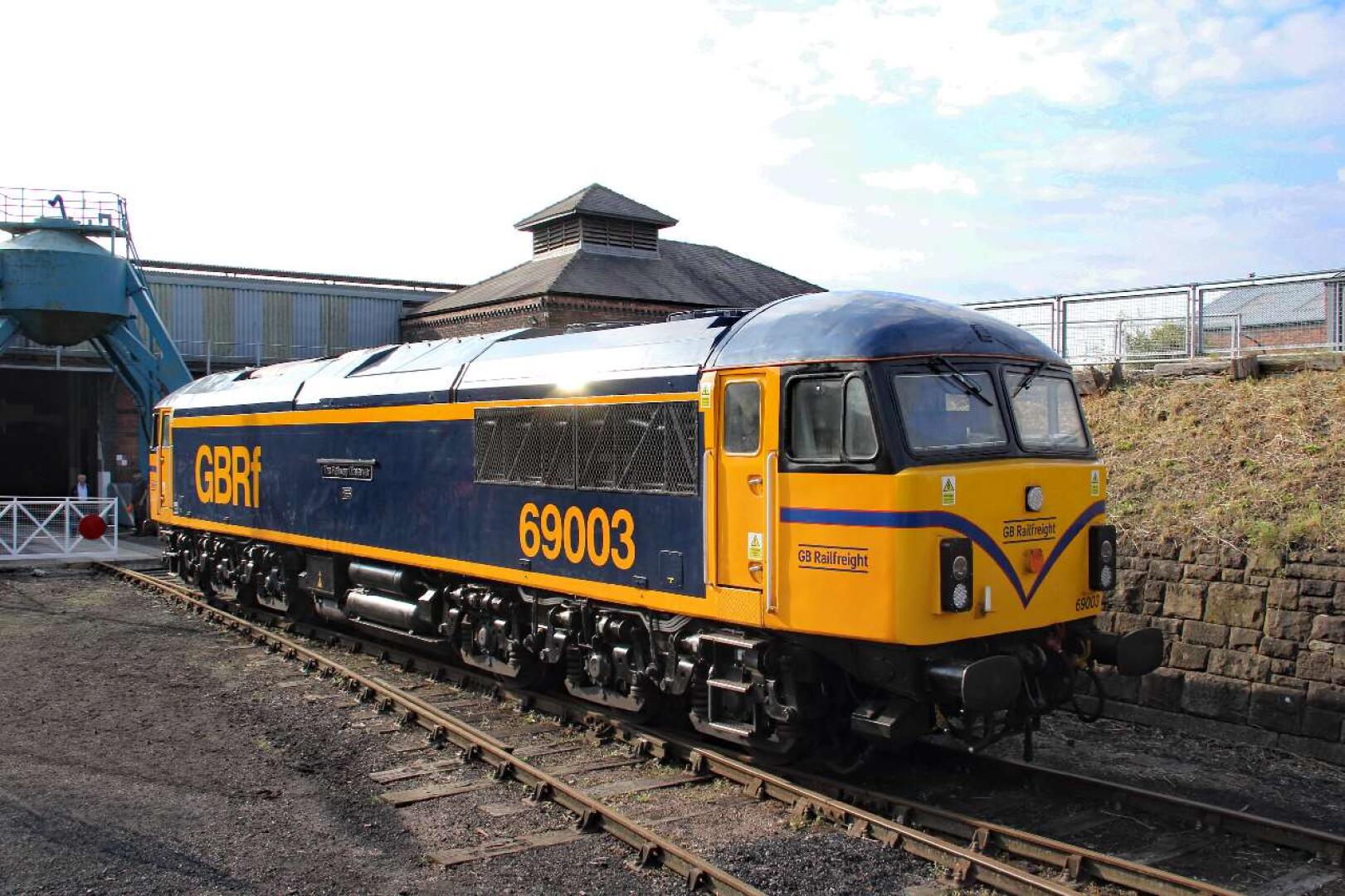
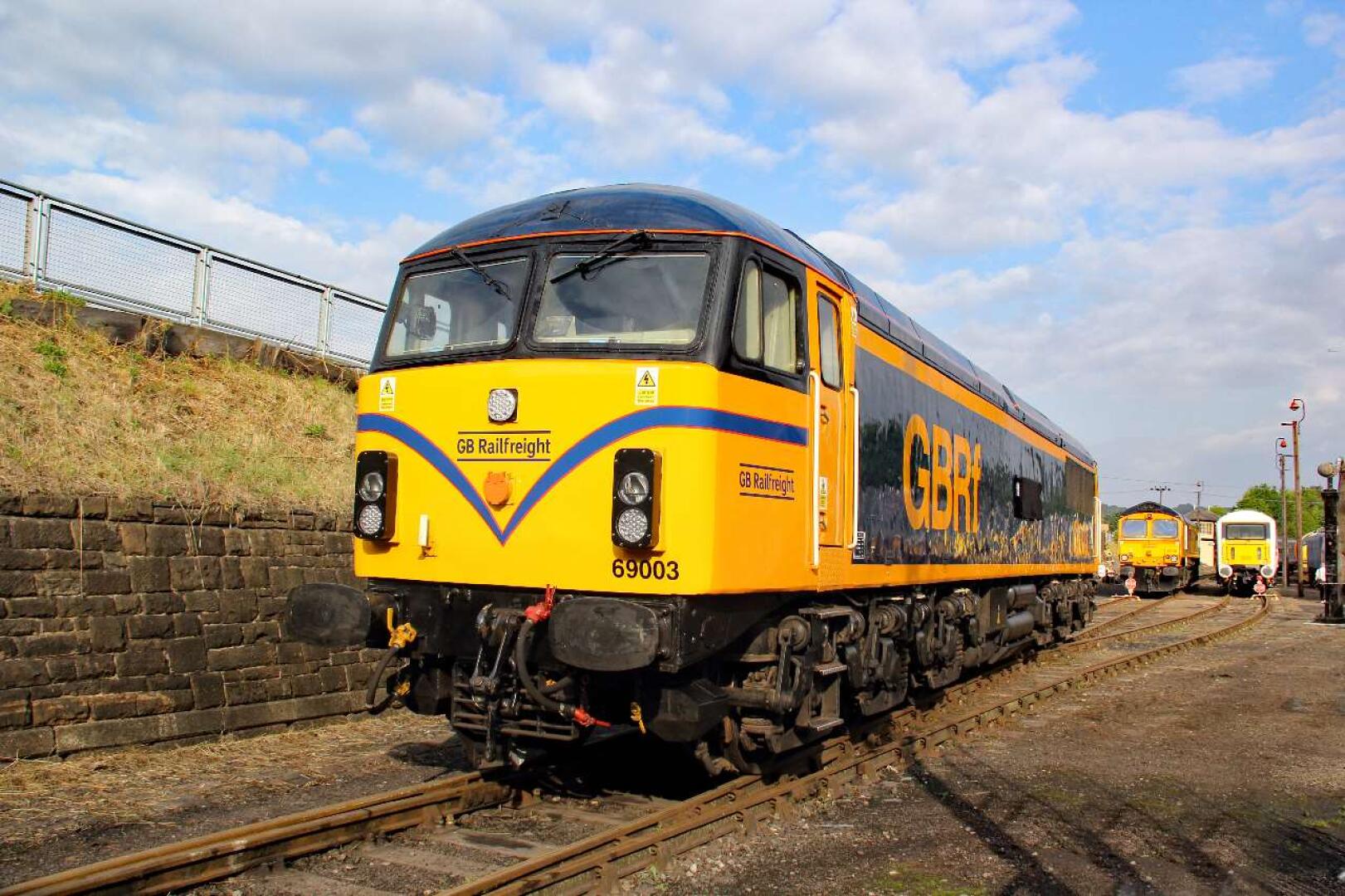
We are very grateful that GB Railfreight allowed their Class 69 locomotive No. 69003 to be named “The Railway Observer”. This is the fourth locomotive to carry our name after a Class 37, a Class 60, and most recently, a Class 43 power car.