Tywyn Wharf, Talyllyn Railway

The western terminus of the first purpose built steam narrow gauge railway in the world, later the first preserved railway in the world.
Ulverston Station
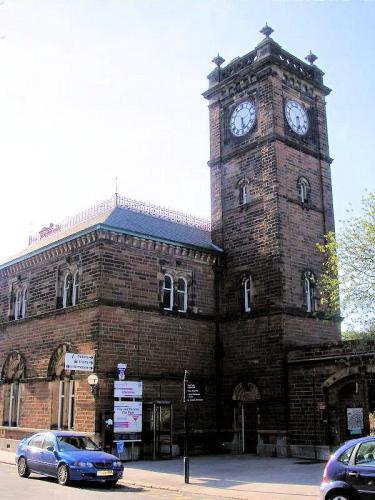
Union Chain Bridge
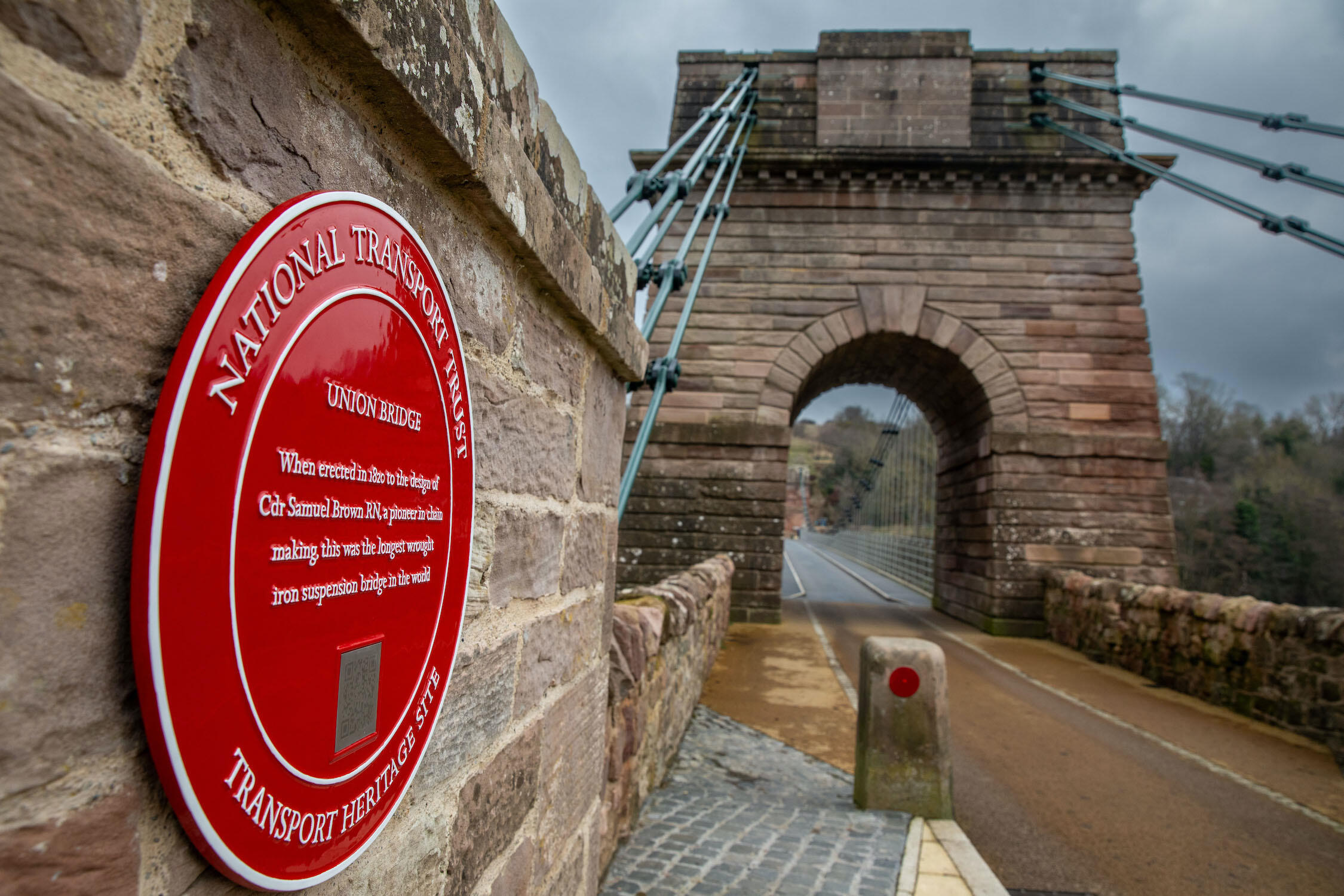
When erected in 1820 to the design of Cdr. Samuel Brown RN, a pioneer in chain making, this was the longest wrought iron suspension bridge in the world.
Ventiford Basin and Stover Canal, Teigngrace
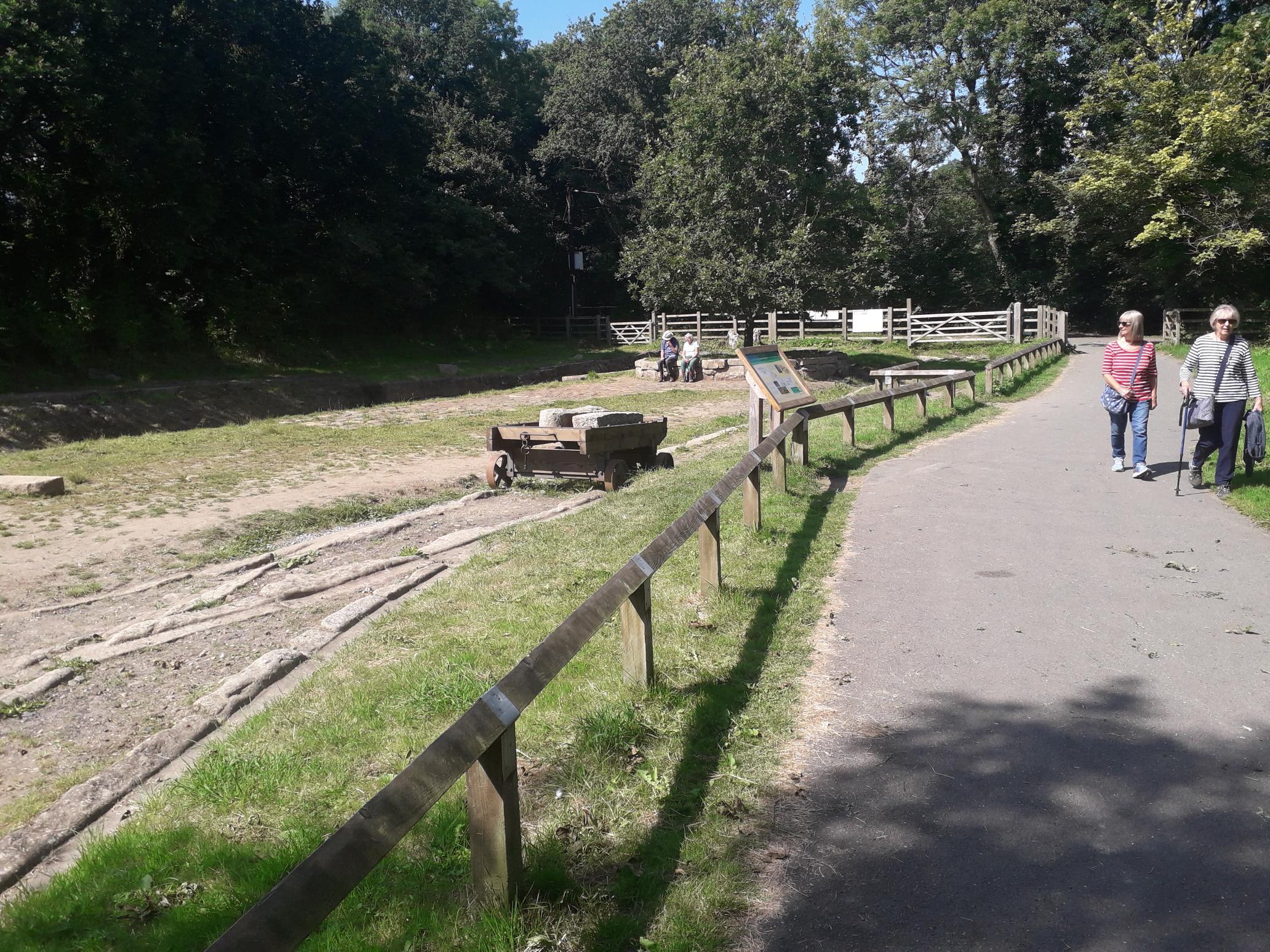
Terminus of the Stover Canal, built 1790 to carry locally dug ball clay to ships at Teignmouth Docks. From 1820, it was also linked to the unique Haytor Granite Tramway
Victoria Bridge, Arley
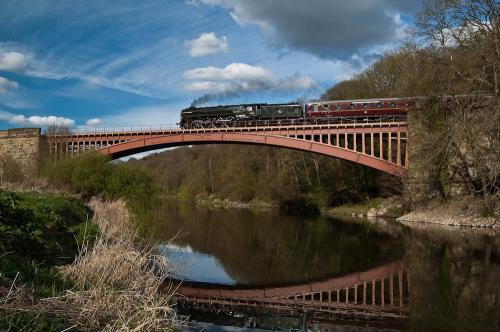
Victoria Bridge, Hereford
Victoria Coach Station, London
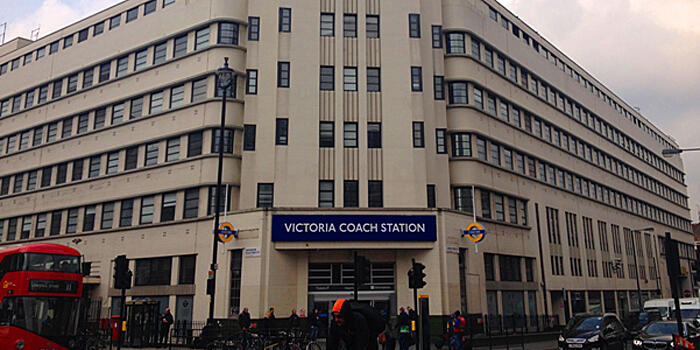
An art deco style building of 1932
Victoria Swing Bridge, Edinburgh
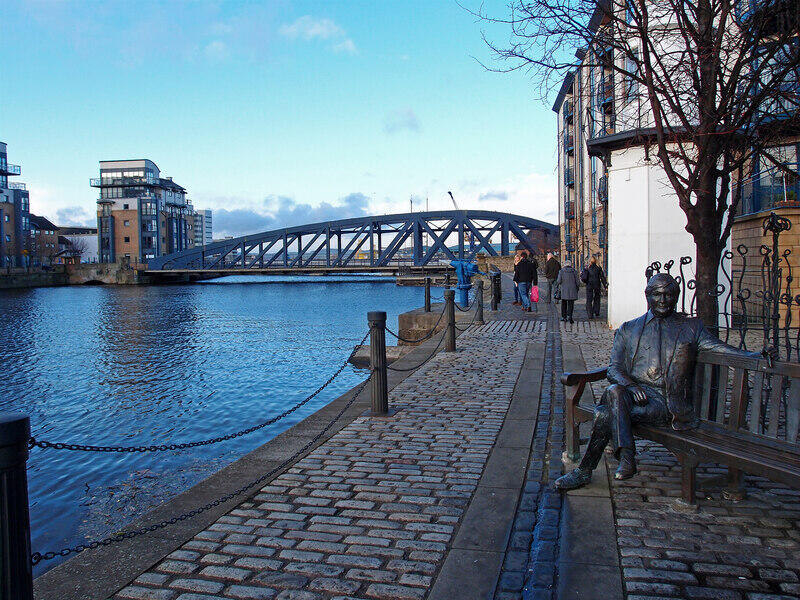
Designed to carry both road and rail traffic across the Water of Leith, the Grade A-listed Victoria Swing Bridge, designed by Alexander Rendel, is the largest counterweighted swing bridge in Scotland. Until the completion of the Kincardine Bridge, also in Scotland, in 1936, it is thought to have been the longest clear swing bridge span in Britain. After several years when its future was at risk, it is now being restored by Forth Ports. It is passed by the new tram line to Newhaven, which opened on 7th June 2023.
Victoria Viaduct, Penshaw
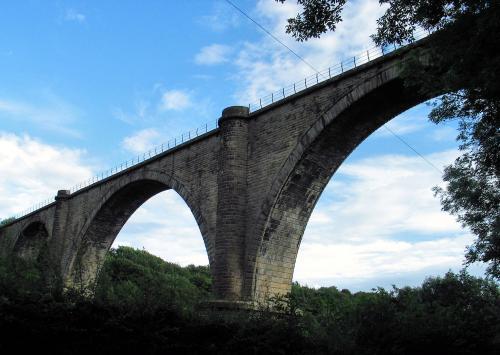
Rail bridge spanning the River Wear which carried the Leamside Line.
Villiers Engineering factories, Wolverhampton
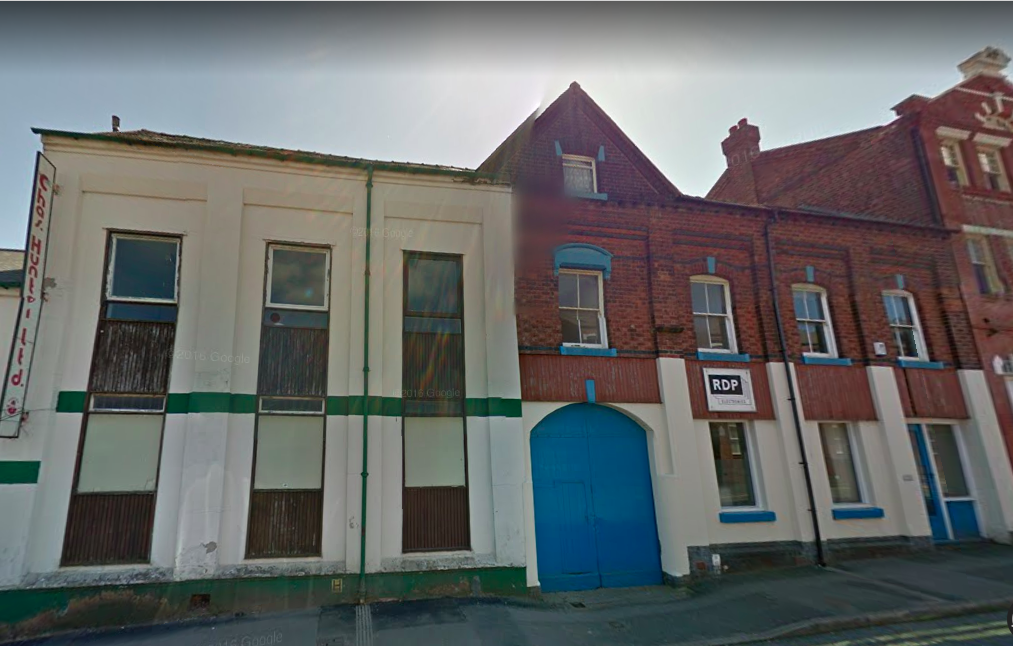
Founded in 1898, UK's largest manufacturer of 2-stroke petrol engines, bicycle freewheels and a latterly a major motorcycle manufacturer. The factory buildings mostly survive intact.