Latest Red Wheel Sites
| Location | Date Unveiled | Inscription | Red Wheel Image |
|---|---|---|---|
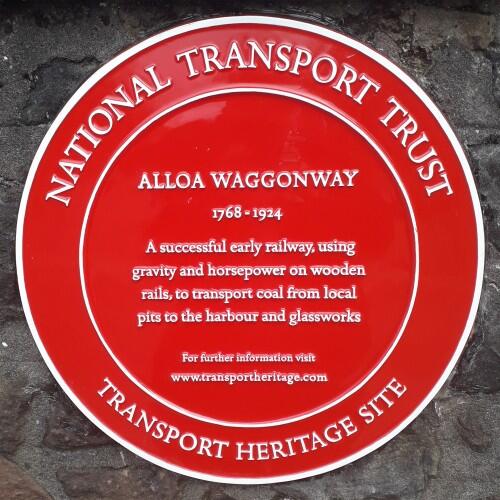
| Alloa Waggonway | 04/03/2021 |
1768-1924 |
|
| Smeaton's Arches, Newark | 18/12/2020 |
Built 1770s: widened 1920s A causeway to carry the Great North Road across the floodplain of the River Trent. The work of John Smeaton, the 'father of civil engineering' |

|
| Burntisland - Granton ferry | 16/12/2020 |
Before the opening of the Forth Bridge in 1890, the world's first seagoing roll-on/roll off train ferry, designed by Thomas Bouch, operated from here to Granton from 1850 |
|
| Stow Maries Great War Aerodrome | 01/10/2020 |
Operational 1916-19. The most complete former Royal Flying Corps aerodrome, part of London's air defence against attacks by German airships and bombers. |
|
| Tranent - Cockenzie Waggonway | 21/09/2020 |
Opened 1722. Scotland's earliest railway, built to carry coal on wooden rails, using gravity and horse power. Fought accross in the Battle of Prestonpans 1745 |
|
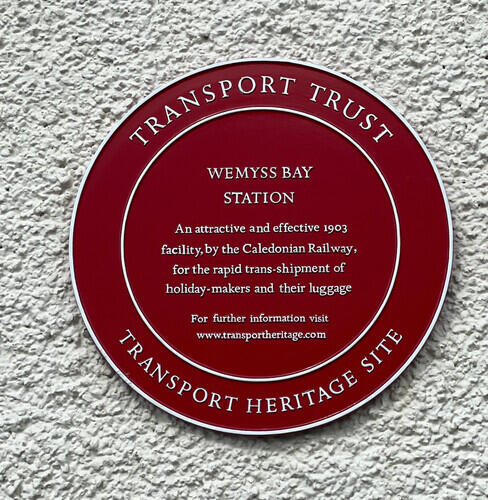
| Wemyss Bay Station, Inverclyde | 29/11/2019 |
An attractive and effective 1903 facility, by the Caledonian Railway, for the rapid trans-shipment of holiday-makers and their luggage.
|
|
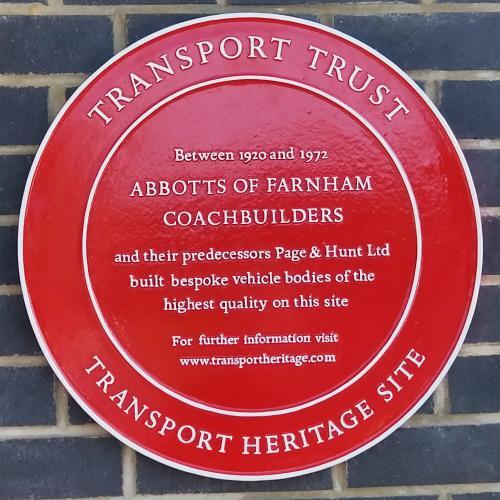
| Abbotts of Farnham | 15/09/2019 |
Between 1920 and 1972 'Abbotts of Farnham' Coachbuilders and their predecessors Page & Hunt Ltd built bespoke vehicle bodies of the highest quality on this site |
|
| Ace Cafe, London | 08/09/2019 |
Built 1938 as part of a service area for the new North Circular Road. In the 1950s and 60s, it became a magnet for young motorcyclists. |
|
| Hincaster Tunnel and Horse Path | 06/09/2019 |
Opened 1819. A prime example of a canal where boats were hauled through by hand whilst their horses took a purpose-built path over the hill. |
|
| Glenfinnan Viaduct | 18/08/2019 |
Built 1897-1901. When designed by Simpson & Wilson and built by Robert McAlpine & Sons, this was the longest mass concrete viaduct in Britain |
|